
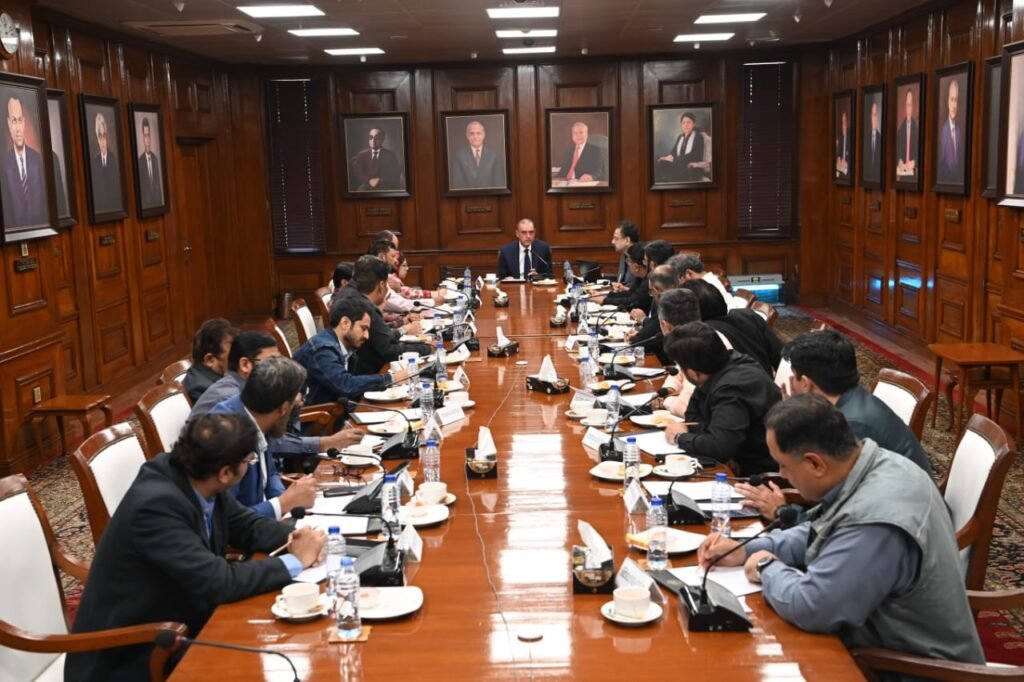
Pakistan’s economic narrative is quietly but decisively shifting and at the center of this transition is the SBP IMF Monetary Policy, which continues to anchor stability amid global uncertainty, falling exports, and fiscal pressure.
Speaking at the State Bank of Pakistan’s headquarters in Karachi, SBP Governor Jameel Ahmad offered rare clarity on where the economy stands today and where it is headed next. While challenges persist, the message was unambiguous: Pakistan has moved past crisis management and entered a phase of cautious recovery guided firmly by IMF-backed monetary discipline.
Why SBP IMF Monetary Policy Remains Tight Under the IMF Agreement
Under Pakistan’s ongoing IMF programme, which runs until September 2027, maintaining a tight monetary stance is not optional it is foundational. Governor Ahmad confirmed that Pakistan has formally committed to monetary discipline as part of its reform roadmap.
This policy consistency, he stressed, is essential for locking in macroeconomic stability and restoring investor confidence. External debt obligations are being managed through structured rollovers, easing immediate pressure on foreign reserves while ensuring financial credibility on the global stage.
So far, Pakistan has already repaid $6 billion in external debt, with another $4–4.5 billion scheduled for the current fiscal year payments the SBP says will be met comfortably.
Economic Indicators Improve Despite Export Decline
One of the more striking takeaways from the briefing was that Pakistan’s economy is stabilising even as exports soften. While food exports particularly rice have declined sharply, non-food exports have still posted 5–6% growth, signalling resilience in manufacturing and value-added sectors.
At the same time, imports have risen, reflecting renewed economic activity rather than distress. According to the SBP, the current account deficit is projected to remain between 0–1% of GDP, a remarkable turnaround from previous years of imbalance.
Inflation, another major concern for households and businesses alike, is expected to stay within a manageable 5–7% range, reinforcing confidence in the SBP IMF Monetary Policy framework.
How SBP IMF Monetary Policy Is Fueling Business Confidence
Beyond headline indicators, the SBP has quietly expanded support for the real economy. Financing for the SME sector has doubled to Rs11 trillion, opening the door for business expansion, job creation, and entrepreneurship at scale.
Interest rate adjustments are also beginning to unlock demand in sectors such as housing finance, with borrowing becoming more affordable as inflation stabilises. However, Governor Ahmad cautioned against the common misconception that rate cuts automatically save government money lower rates also reduce SBP profits, which directly affects state revenue.
Last year alone, the State Bank transferred Rs2.4 trillion in profits to the federal government, highlighting its critical fiscal role.
Foreign Banks, Remittances, and a Cleaner Exchange Market
Investor sentiment appears to be warming. Major banks from three foreign countries have expressed interest in opening branches in Pakistan a quiet but powerful vote of confidence in the financial system.
Remittances are another bright spot. Annual inflows are now expected to exceed original targets and could reach $42 billion, providing vital support to the balance of payments.
Meanwhile, regulatory reforms have cleaned up the exchange market. Out of 166 money changers, 140 have been shut down to curb malpractice, improving transparency and strengthening trust in the formal banking system.
Non-performing loans have also declined to 7–8%, reflecting healthier balance sheets across the banking sector.
Digital Payments and the Road Ahead
The SBP’s digital ambitions are accelerating under the Raast instant payment system, with plans to onboard two million merchants into the digital ecosystem this year. This push is expected to boost documentation, financial inclusion, and efficiency across the economy.
While newly designed currency notes with advanced security features are in the pipeline, Governor Ahmad clarified that they will not be available before Eid, as cabinet approval and printing processes take time.
Final Thoughts: Stability First, Growth Next
The message from the State Bank is clear: SBP IMF Monetary Policy is not about short-term relief it is about long-term credibility. With inflation under control, debt obligations managed, remittances rising, and digital reforms accelerating, Pakistan’s economic engine is slowly regaining momentum.
The next two years, according to the SBP, will be decisive. Policy continuity, reform discipline, and global cooperation will determine whether stability truly transforms into sustainable growth.