
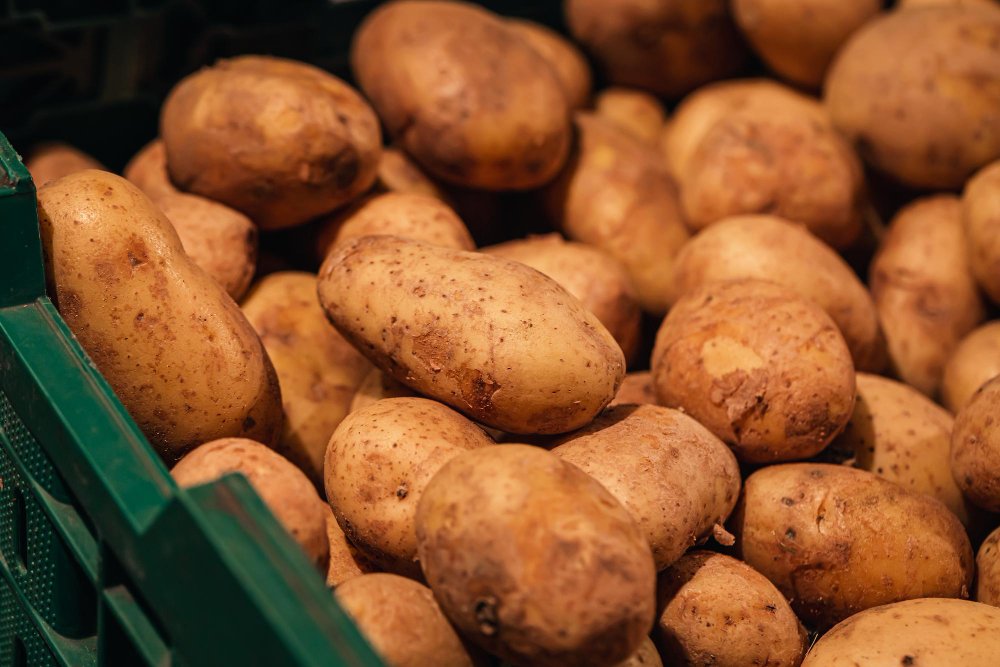
Pakistan potato exports are facing one of their toughest tests in recent years after the sudden closure of the Afghanistan border one of the country’s most critical export routes for fresh potatoes. What initially appeared to be a temporary disruption has quickly turned into a domestic price shock, leaving farmers, traders, and exporters grappling with falling prices and excess supply.
Read More: https://theboardroompk.com/japan-tire-industry-outlook-enters-a-cautious-phase/
With Afghanistan historically absorbing a significant share of Pakistan’s potato shipments, the closure triggered an immediate surplus in local markets. As demand dropped overnight, farmgate prices fell sharply, threatening growers’ incomes just as the harvest season peaked.
Sensing the urgency of the situation, the Ministry of National Food Security and Research (MNFSR) stepped in with a multi-pronged strategy aimed at damage control and long-term reform.
How the Afghanistan Border Closure Hit Pakistan Potato Exports
For years, Afghanistan served as a reliable and nearby destination for Pakistani potatoes, offering low transportation costs and steady demand. The border closure disrupted this balance instantly.
In simple terms, where potatoes once moved swiftly across borders, they are now flooding domestic markets. This imbalance pushed prices downward, squeezing margins for farmers already facing rising input costs such as fertilizers, fuel, and electricity.
The fallout was swift:
• Export volumes stalled
• Domestic supply surged
• Farmers faced losses instead of profits
Recognizing that price volatility could undermine confidence across the agricultural sector, the government moved to reassure growers and exporters alike.
Government Strategy to Revive Pakistan Potato Exports
Under the leadership of Federal Minister for National Food Security and Research Rana Tanveer Hussain, the MNFSR launched coordinated efforts with the Ministry of Foreign Affairs and the Ministry of Commerce to stabilize the market and protect farmers.
Instead of relying on a single export route, the government is now actively pursuing market diversification a shift long discussed but rarely executed with urgency.
Rather than presenting this as a policy document, officials have turned strategy into action by directly sharing market intelligence with exporters and simplifying procedures.
36 New Markets Identified for Pakistan Potato Exports
One of the most significant steps announced is the identification of 36 potential new international markets for Pakistani potatoes. These destinations span multiple regions, offering exporters alternatives to Afghanistan and reducing future dependency on a single corridor.
Instead of listing these markets in a rigid table, exporters have been briefed on:
• Regions with rising demand for fresh and processed potatoes
• Countries with favorable import regulations
• Markets where Pakistani produce already meets quality standards
This approach allows exporters to quickly assess opportunities and adapt their logistics and pricing strategies accordingly.
Relief Measures to Support Farmers and Exporters
To provide immediate relief, the ministry also addressed cost concerns faced by exporters. Farmers and traders have been officially informed that the challan fee for obtaining a Phytosanitary Certificate is only Rs. 2,500, easing misconceptions about higher compliance costs.
This move is aimed at encouraging exporters especially small and medium players to continue shipments despite market uncertainty.
Meanwhile, the Ministry of Commerce has been tasked with identifying foreign importers and fast-tracking export facilitation, ensuring that administrative bottlenecks do not worsen the crisis.
Why This Moment Matters for Pakistan Potato Exports
While the current disruption poses challenges, it also presents an opportunity to rethink how Pakistan potato exports are structured. Over-reliance on a single market has long exposed farmers to sudden shocks. Diversification, if executed properly, could bring long-term stability.
The government’s renewed focus on inter-ministerial coordination, exporter support, and market expansion signals a shift from reactive policy to proactive planning.
As global food supply chains continue to evolve, Pakistan’s ability to adapt could determine whether its agricultural exports merely survive or thrive.
Looking Ahead: Stability Through Diversification
Federal Minister Rana Tanveer Hussain has reaffirmed the government’s commitment to:
• Protecting farmers’ incomes
• Expanding agricultural exports
• Ensuring long-term market stability
•
If these measures translate into sustained action, Pakistan potato exports may emerge stronger, more diversified, and less vulnerable to sudden geopolitical disruptions.
For farmers and exporters alike, the message is clear: the road ahead may be uncertain, but the push to secure new markets has already begun.