
Weekly SPI Inflation Pakistan is back in the spotlight as fresh data from the Pakistan Bureau of Statistics (PBS) reveals a 0.25% week-on-week increase in short-term inflation. While the number may appear modest at first glance, the underlying price movements tell a much more compelling story one that households, businesses, and policymakers cannot afford to ignore.
As everyday essentials quietly become more expensive, this latest SPI reading signals shifting inflationary pressures that could shape consumer sentiment and economic decision-making in the months ahead.
Understanding Weekly SPI Inflation Pakistan and Why It Matters
The Sensitive Price Indicator (SPI) is Pakistan’s key short-term inflation gauge. Calculated weekly, it tracks the prices of 51 essential commodities across 50 markets in 17 cities, offering a near real-time snapshot of cost-of-living changes.
This week’s SPI data shows that while some prices eased, others surged sharply—creating a mixed but meaningful inflation pattern that reflects supply disruptions, seasonal effects, and energy costs.
Market Momentum and Investor Sentiment
Alongside rising Weekly SPI Inflation Pakistan, equity markets displayed notable strength. Major stock indices, including the benchmark KSE-100, posted solid gains, reflecting cautious optimism among investors despite inflationary undercurrents.
In simple terms, broader market indices moved higher as banking, oil, and Shariah-compliant sectors attracted buying interest. This divergence strong markets amid rising prices highlights the complex balance between inflation expectations and economic growth hopes.
Which Prices Are Driving Weekly SPI Inflation Pakistan Higher?
Out of the 51 essential items monitored, one-quarter recorded price increases, led by sharp spikes in food and energy-related commodities.
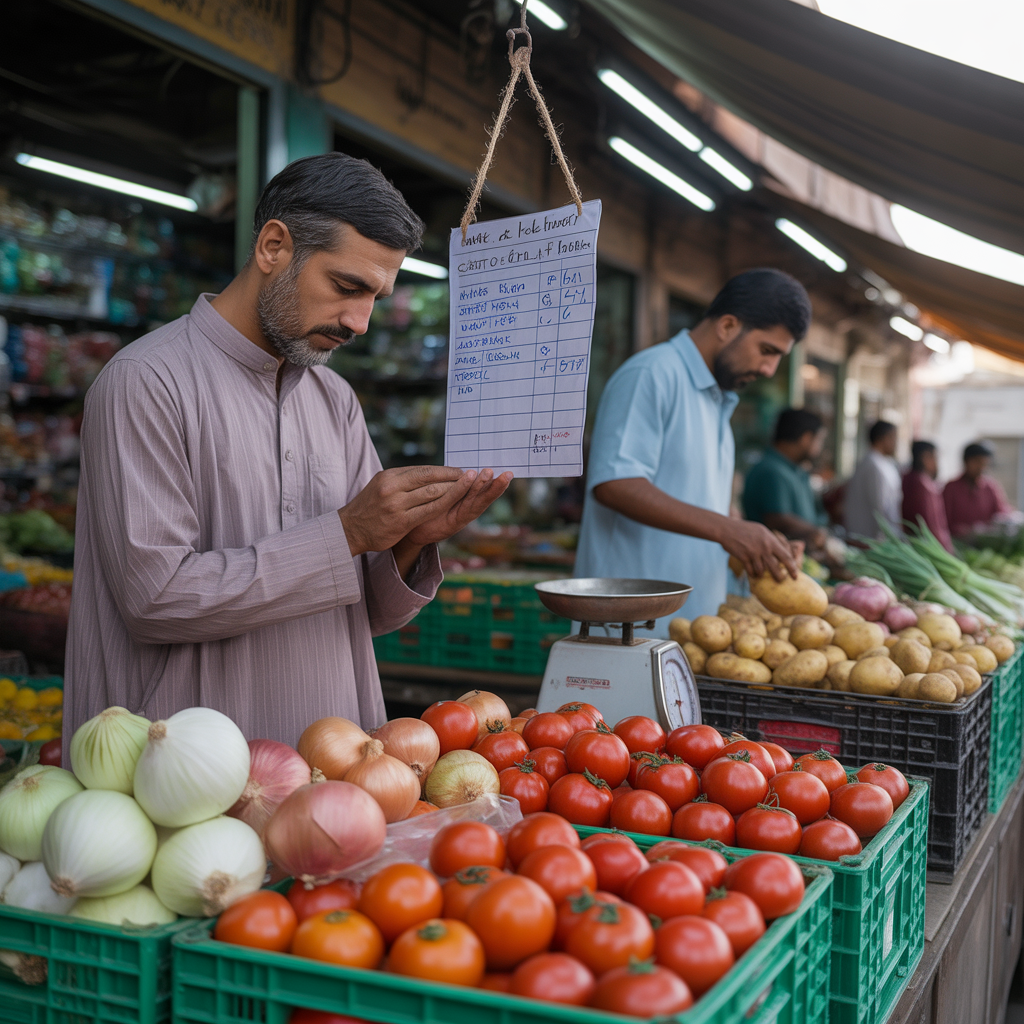
The most striking weekly increase came from tomatoes, with prices jumping by over 27%, underscoring persistent supply-side volatility. Liquefied petroleum gas (LPG) followed with a strong rise, adding pressure to household fuel budgets. Wheat flour, eggs, bananas, and pulses also recorded noticeable gains, reinforcing food inflation concerns.
These increases matter because food and fuel dominate household spending especially for lower- and middle-income families.
Relief at the Vegetable Stall: Prices That Fell
Not all news was inflationary. Some essential items provided temporary relief. Potatoes and onions, staples in Pakistani kitchens, recorded weekly price declines, while chicken, pulses, and cooking oil also edged lower.
However, economists caution that such declines are often seasonal and may not offset broader inflation trends driven by energy and input costs.
Year-on-Year View: The Bigger Inflation Picture
On an annual basis, Weekly SPI Inflation Pakistan shows a 3.87% increase, painting a clearer picture of sustained cost pressures.
Wheat flour emerged as the biggest annual gainer, rising nearly 35%, followed by gas charges, eggs, beef, and spices. These increases highlight structural challenges in food supply chains and energy pricing.
Conversely, vegetables such as potatoes, onions, garlic, and tomatoes recorded sharp year-on-year declines suggesting that last year’s price spikes created a high comparison base.
Fertilizer and Cement Prices: Signals Beyond the Kitchen
Beyond groceries, SPI data also tracks input prices that influence construction and agriculture.
This week, fertilizer prices edged slightly higher compared to last week but remained lower than last year, offering some relief to farmers. Cement prices, meanwhile, stayed relatively stable, reflecting subdued construction demand despite rising infrastructure ambitions.
These trends matter because they influence future food production costs and housing inflation.
What Weekly SPI Inflation Pakistan Means Going Forward
The latest SPI reading confirms that inflation in Pakistan is not surging but it is far from dormant. Instead, it is evolving in pockets, driven by food supply shocks, energy pricing, and seasonal factors.
For policymakers, the data reinforces the need for vigilant price monitoring. For businesses, it signals potential cost adjustments. And for households, it serves as a reminder that inflation can quietly erode purchasing power even when headline numbers appear calm.
Weekly SPI Inflation Pakistan may have risen only slightly this week, but the story beneath the surface is anything but small. With food prices swinging sharply and energy costs creeping up, inflation remains a critical economic pulse to watch in 2026.
As markets react and consumers adapt, one thing is clear: the weekly SPI is no longer just a statistic it’s a real-time mirror of everyday life in Pakistan.