
Pakistan’s National Disaster Management Authority (NDMA) has activated its National Emergencies Operations Center (NEOC) to issue a cold wave alert for Gilgit-Baltistan, upper Khyber Pakhtunkhwa, and Azad Jammu & Kashmir.
The advisory, released on January 15, 2026, warns of very cold to extremely cold conditions, particularly at night and early morning, with daytime temperatures remaining below normal levels.
Severe Weather Forecast and Potential Disruptions
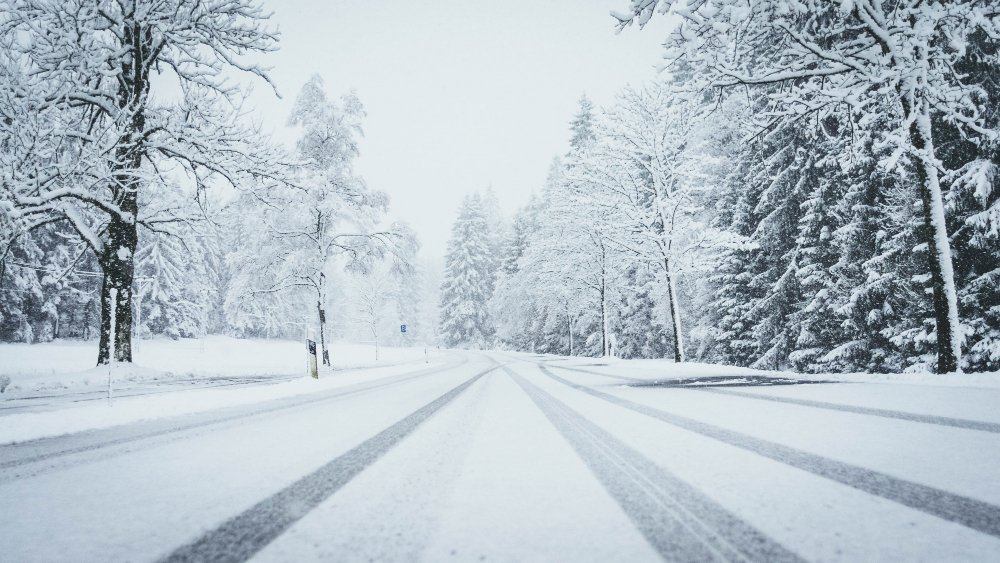
Meteorological data predicts moderate to heavy snowfall in high-altitude and hilly areas, which could lead to road blockages, transportation halts, and power outages in mountainous regions. Plains adjoining these areas are expected to face cold and dry weather, with frost forming in isolated pockets.
Authorities highlight risks of snow slides and avalanches in vulnerable zones, posing threats to human life, infrastructure, livestock, and safety. Prolonged cold exposure increases health vulnerabilities for children, the elderly, and individuals with chronic conditions, while frost may damage standing crops and orchards in lower elevations.
Public Safety Measures and Official Preparations
NDMA urges the public to avoid unnecessary travel to high-altitude and snowfall-prone regions. If travel is essential, vehicles should be equipped with snow chains, and individuals must prepare warm clothing, heating arrangements, and adequate shelter—especially for vulnerable groups.
Local communities are advised to heed instructions from provincial and district authorities. NDMA has instructed relevant departments to remain on high alert, ready for snow clearance, emergency response, and quick restoration of essential services like electricity and communications.
The NEOC will continuously monitor developments and provide updates. Citizens are encouraged to rely on official channels, including television, radio, verified social media, and the “Pak NDMA Disaster Alert” mobile app (available on Android and iOS) for the latest information and alerts.