
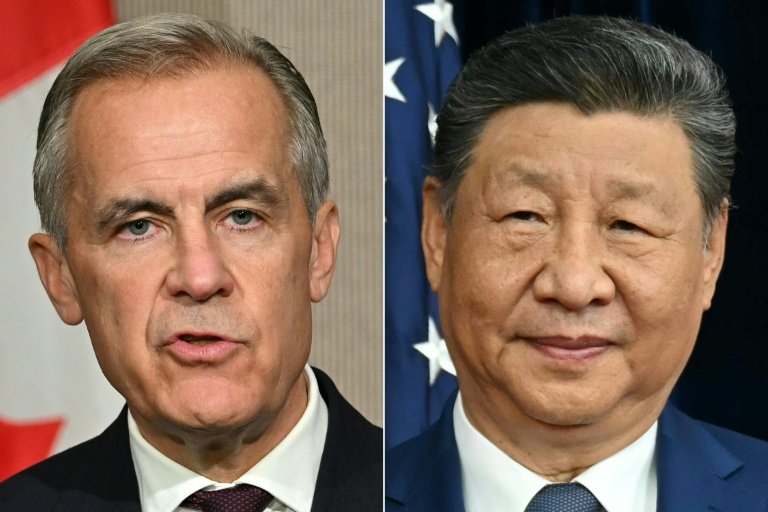
Canadian Prime Minister Mark Carney departed for Beijing on January 13, 2026, marking the first official visit by a Canadian leader to China since 2017.
The four-day trip (January 14-17) comes after nearly a decade of strained bilateral relations, which deteriorated sharply following Canada’s 2018 arrest of Huawei executive Meng Wanzhou at the U.S.’s request.
This triggered retaliatory detentions of Canadians and ongoing disputes. Carney, who met Chinese President Xi Jinping in South Korea in October 2025, described that encounter as a potential “turning point.” The visit builds on that momentum, with meetings planned with Xi and Premier Li Qiang at the Great Hall of the People.
Chinese officials expressed optimism about “deepening mutual trust,” viewing the trip as part of a charm offensive to strengthen ties.
Trade Focus and Geopolitical Pivot Amid escalating trade frictions with the United States—including tariffs and annexation threats under President Donald Trump—Canada aims to diversify exports away from its heavy reliance on the U.S. market.
Key discussions center on energy (boosting crude oil exports to China), agriculture (addressing Chinese anti-dumping duties on Canadian canola imposed in 2024 after Canada’s 100% tariffs on Chinese electric vehicles), and broader sectors like critical minerals and AI.
While full resolution of canola tariffs is unlikely during the visit, experts anticipate incremental progress and potential memoranda of understanding. Analysts note political risks, including U.S. backlash and security concerns over closer cooperation.
Domestic voices urge caution on human rights and interference issues, but the trip underscores Carney’s strategy to build economic resilience through new global partnerships.