
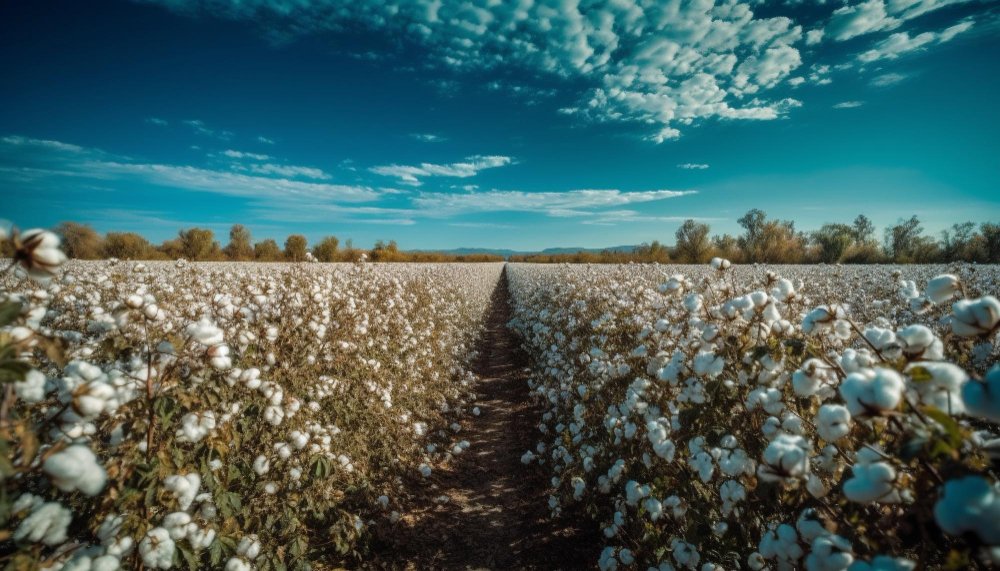
Pakistan cotton arrivals 2025 reached 5.43 million bales by December 31, marking a 0.33% year-on-year decline compared to the same period last year, according to the latest data released by the Pakistan Cotton Ginners Association (PCGA) and the Pakistan Cotton Corporation (PCC).
Read More: https://theboardroompk.com/kse-100-index-performance-declines-amid-broad-based-selling-pressure/
While the overall decline appears marginal, a deeper look into provincial performance reveals a sharp divergence between Punjab and Sindh, highlighting structural imbalances within Pakistan’s cotton economy.
Pakistan Cotton Arrivals 2025: National Overview
As of the end of December 2025, cotton arrivals at ginning factories totaled 5.43 million bales, compared to 5.45 million bales in December 2024. On a month-on-month basis, arrivals increased by nearly 6%, indicating some seasonal recovery momentum as harvesting peaked across major cotton-growing belts.
However, despite this short-term improvement, overall volumes remain well below historical averages, reinforcing concerns about Pakistan’s long-term cotton production capacity.
Punjab’s Cotton Output Declines Sharply in 2025
Pakistan Cotton Arrivals 2025 Show Punjab Under Pressure
Punjab, traditionally a major contributor to national cotton output, recorded 2.54 million bales by December 31, 2025. This represents a 4.44% year-on-year decline from 2.66 million bales in the same period last year.
Month-on-month, Punjab did show an 8.17% increase, rising from approximately 2.35 million bales in November 2025. However, this recovery was insufficient to offset deeper seasonal losses caused by:
• Reduced cotton acreage
• Water availability challenges
• Pest infestations
• Farmers shifting to alternative, higher-margin crops
Punjab’s declining contribution continues to weigh heavily on Pakistan cotton arrivals 2025, underscoring persistent vulnerabilities in the province’s cotton ecosystem.
Sindh Leads Growth in Pakistan Cotton Arrivals 2025
Sindh Offsets National Decline
In contrast, Sindh province emerged as the stabilizing force for Pakistan’s cotton sector this season. Cotton arrivals in Sindh reached 2.89 million bales by December 31, 2025, reflecting a 3.58% year-on-year increase compared to 2.79 million bales in December 2024.
On a month-on-month basis, Sindh recorded a 3.92% rise, adding over 100,000 bales from November levels. The province’s performance allowed it to retain its position as Pakistan’s largest cotton-producing region, partially compensating for Punjab’s contraction.
Improved crop management practices and relatively better water availability contributed to Sindh’s resilience during the 2025 cotton season.
Historical Context Highlights Structural Weaknesses
Pakistan Cotton Arrivals 2025 Far Below Peak Levels
Historical trends underline the severity of the current slowdown. Pakistan recorded peak cotton arrivals of 8.17 million bales in December 2023, illustrating a significant gap between recent performance and prior production highs.
The sharp contrast between peak output and Pakistan cotton arrivals 2025 reflects deeper, long-standing challenges that remain unresolved within the sector.
Key Challenges Facing Pakistan’s Cotton Sector
Despite modest gains in Sindh, Pakistan’s cotton industry continues to struggle with several structural constraints:
• Chronic water shortages
• Rising incidence of pest attacks
• Inadequate support prices for farmers
• Competition from alternative cash crops such as sugarcane and maize
• Limited adoption of modern seed technology
Without comprehensive policy intervention, these factors threaten to further erode Pakistan’s cotton production base and increase reliance on imported raw material for the textile industry.
Outlook for Pakistan Cotton Arrivals 2025
While short-term seasonal gains are possible in the remaining months of the cotton year, overall Pakistan cotton arrivals 2025 are expected to remain under pressure unless systemic reforms are introduced. Strengthening farmer incentives, improving irrigation infrastructure, and investing in pest-resistant seed varieties will be critical to reversing the declining trend.
For Pakistan’s textile-driven economy, the performance of the cotton sector remains a strategic priority, making policy clarity and sectoral support more urgent than ever.