
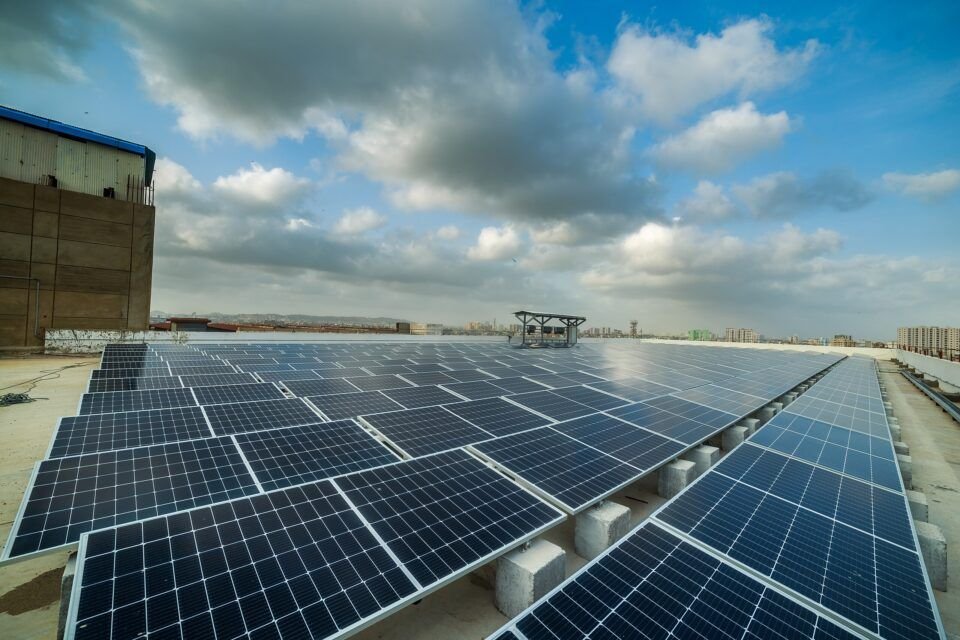
Pakistan Renewable Energy Transition has entered a transformative phase as the country rapidly scales up solar power deployment, increases renewable electricity generation, and advances climate-resilient development. With record-breaking growth in off-grid and net-metered solar installations, Pakistan is positioning itself as one of the fastest-growing clean energy markets globally.
Driven by people-centric energy solutions and supportive policy frameworks, the country’s clean energy journey is reshaping the power sector while addressing energy poverty, climate vulnerability, and long-term sustainability.
Pakistan Renewable Energy Transition and Record Solar Power Growth
Pakistan has emerged as one of the world’s fastest-growing solar markets, achieving a major milestone by the end of 2025. The country now hosts:
• 12 gigawatts (GW) of off-grid solar capacity, powering homes, farms, and businesses independently of the national grid
• More than 6 GW of net-metered solar, enabling consumers to sell excess electricity back to the grid
Together, this reflects a total distributed solar footprint exceeding 18 GW, largely driven by households, small businesses, and agricultural users seeking affordable and reliable energy alternatives.
This people-led adoption has reduced pressure on the national grid, lowered electricity costs, and strengthened energy security amid fluctuating fuel prices.
Renewables Cross 53% of Electricity Generation
A historic breakthrough for the Pakistan Renewable Energy Transition came in the last fiscal year, when renewable sources accounted for 53% of total electricity generation. This marks a decisive shift away from fossil fuel dependence and underscores the growing role of clean energy in Pakistan’s power mix.
Key contributors to this achievement include hydropower, solar, wind, and other renewable sources that collectively reduced carbon emissions while stabilizing electricity supply during peak demand periods.
This progress also aligns Pakistan more closely with global climate goals and reinforces its credibility in international climate forums.
Punjab Solar Panel Scheme 2026 and Energy Inclusion
One of the most impactful initiatives supporting the Pakistan Renewable Energy Transition is the Punjab Solar Panel Scheme 2026. The program focuses on:
• Providing free or subsidized solar systems to low-income households
• Reducing energy poverty in underserved and rural communities
• Improving access to reliable electricity for education, healthcare, and livelihoods
By decentralizing energy access, the scheme is empowering households while easing the financial burden of rising electricity tariffs.
Pakistan Renewable Energy Transition at IRENA Assembly
At the 16th International Renewable Energy Agency (IRENA) Assembly, Pakistan reaffirmed its clean energy ambitions on the global stage. Ms. Romina Khurshid Alam, MNA, Coordinator to the Prime Minister on Climate Change, delivered the national statement highlighting Pakistan’s commitment to achieve 60% renewable energy in the power mix by 2030.
She emphasized that distributed solar kits have played a vital role in restoring electricity and livelihoods in flood-affected areas, presenting them as a replicable model for climate-resilient recovery in developing countries.
Climate Finance, Energy Storage, and Global Cooperation
As part of Pakistan’s broader climate strategy, Ms. Alam called on IRENA and its Member States to:
• Increase concessional financing for developing economies
• Recognize energy storage and green hydrogen as global public goods
• Strengthen regional cooperation to enhance shared energy security
These measures are seen as essential for accelerating the Pakistan Renewable Energy Transition while ensuring equitable access to emerging clean technologies.
Commitment to Paris Agreement and a Low-Carbon Future
Pakistan reaffirmed its continued commitment to the Paris Agreement, stressing the importance of sustained technical and financial support from international partners. The government envisions a future that is resilient, inclusive, and low-carbon, where clean energy acts as a catalyst for economic stability and climate adaptation.
The Pakistan Renewable Energy Transition reflects a powerful combination of grassroots adoption, policy direction, and international engagement. With solar capacity surging, renewables dominating electricity generation, and ambitious 2030 targets in sight, Pakistan is rapidly transforming its energy landscape—setting an example for climate-vulnerable developing nations worldwide.