
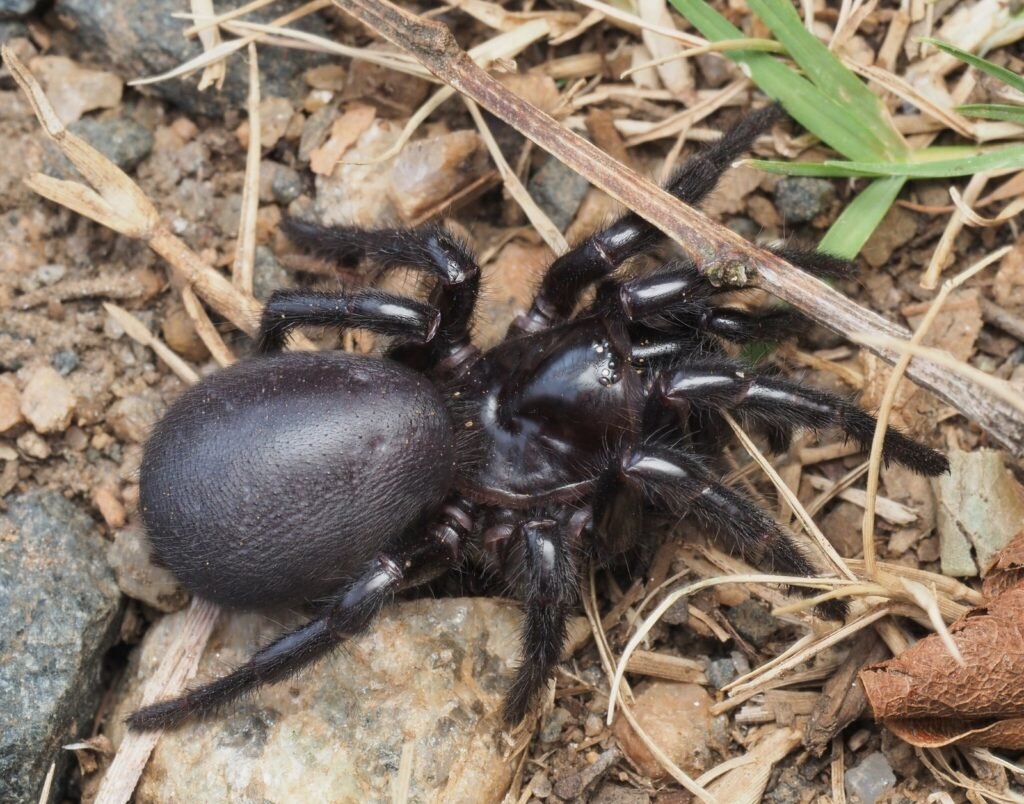
From Lethal Toxin to Heart and Brain Protector Researchers at the University of Queensland have launched human trials for IB409, a drug derived from the venom of the Australian funnel-web spider—one of the world’s most dangerous arachnids. The molecule, based on the protein Hi1a found in venom from spiders on Queensland’s Fraser Island (K’gari), works by blocking acid-sensing ion channels that trigger cell death during oxygen deprivation. Preclinical studies showed exceptional promise, with Hi1a protecting heart tissue as effectively as previous candidates that failed due to side effects, while selectively targeting only damaged cells to minimize risks.
Phase 1 Trials Underway with Global Implications Developed by biotechnology company Infensa Bioscience, IB409 is a miniaturized peptide version of Hi1a optimized for clinical use. The ongoing Phase 1 study focuses on safety, tolerability, and dosing in humans. Professor Glenn King from UQ’s Institute for Molecular Bioscience highlighted that no current drugs prevent the irreversible damage caused by heart attacks and strokes, which claim millions of lives annually as the leading cause of death worldwide. Infensa CEO Professor Mark Smythe emphasized that success in trials could revolutionize treatment, potentially allowing paramedics to administer the drug on-site and vastly improving outcomes for patients with cardiovascular disease. Years of research, supported by independent safety validations, have culminated in this milestone, offering hope for a breakthrough in preventing post-event tissue damage.