
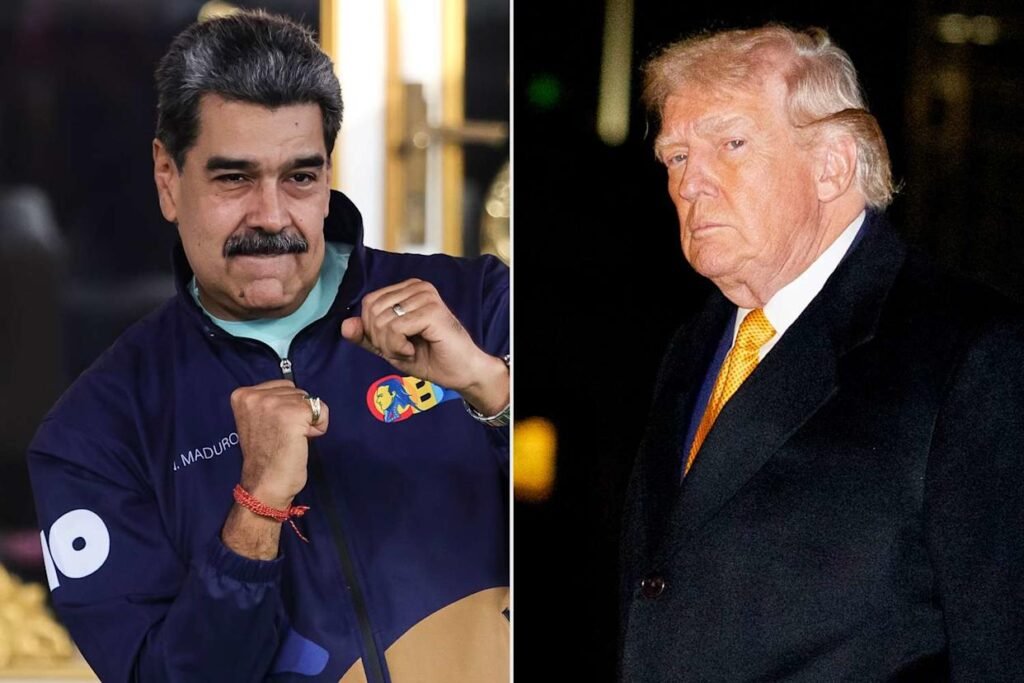
On January 5, 2026, deposed Venezuelan President Nicolás Maduro and his wife Cilia Flores appeared in a Manhattan federal court, pleading not guilty to serious narcotics charges including narco-terrorism, cocaine importation conspiracy, and weapons offenses. Shackled and in prison garb, Maduro defiantly proclaimed his innocence, stating, “I am innocent. I am not guilty. I am a decent man. I am still president of my country.” He described the US operation as a “kidnapping,” setting the stage for complex legal battles over the legitimacy of his capture during a US military raid on January 3.
Trump’s Vision for Venezuela
President Donald Trump defended the operation, insisting the US is “at war with drug traffickers, not Venezuela.” He emphasized the need to “fix the country first” before any elections, dismissing quick voting timelines as unrealistic. Trump outlined plans for American oil companies to rebuild Venezuela’s infrastructure, potentially with US subsidies, within 18 months. White House officials, including Deputy Chief of Staff Stephen Miller, asserted that “the United States of America is running Venezuela,” leveraging an oil embargo to dictate terms.
In Caracas, Vice President Delcy Rodríguez was sworn in as interim leader, maintaining continuity in Maduro’s government without direct confrontation against the US. US intelligence reportedly views her as capable of preserving order, sidelining opposition figures like María Corina Machado.
The raid has sparked global outrage, with Russia, China, and others condemning it at the UN Security Council as a violation of sovereignty and a dangerous precedent. Domestic critics, including Senate Democratic Leader Chuck Schumer, called US plans “vague and based on wishful thinking.” Trump hinted at further strikes if cooperation falters, raising fears of escalation.
As litigation looms and Venezuela faces uncertainty, the incident tests international law and US foreign policy boundaries.