
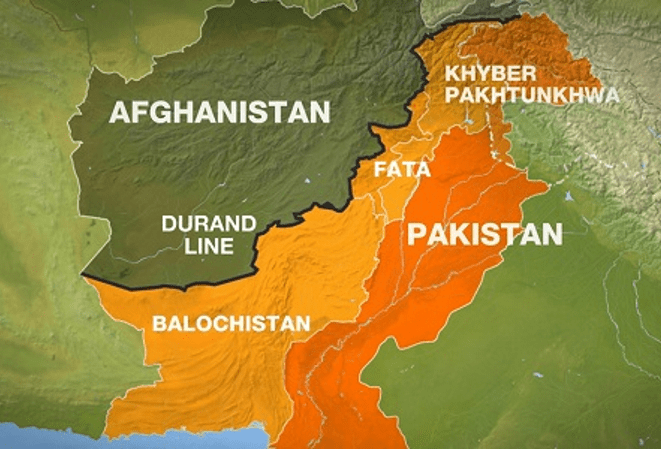
The prolonged closure of key border crossings between Pakistan and Afghanistan has inflicted severe financial and socio-economic damage on traders, with over 12,000 containers of bilateral and transit trade stranded at Karachi Port, according to the Sarhad Chamber of Commerce and Industry (SCCI). This ongoing shutdown, stemming from security concerns, has led to millions of dollars in daily losses from demurrage and detention charges, alongside billions blocked in bank guarantees and security deposits.
Stranded Containers and Mounting Charges
SCCI President Junaid Altaf highlighted that traders are facing heavy demurrage and detention fees imposed by foreign shipping lines, while the liquidity of clearing agents and bonded carriers has been completely exhausted. The closure has particularly disrupted perishable exports, causing spoilage and further amplifying losses. With the shutdown persisting for months—reportedly since October 2025—stakeholders estimate cumulative damages running into billions of rupees, affecting supply chains and regional connectivity.
Socio-Economic Fallout and Calls for Resolution
The impasse has triggered widespread unemployment among truck drivers, laborers, porters, and border communities reliant on cross-border trade. SCCI’s executive committee, in a recent meeting, urged authorities to prioritize diplomatic talks for reopening the borders without compromising national security. Emphasizing the Torkham crossing as a vital lifeline for trade with Afghanistan and Central Asia, the business community stressed that prolonged disruptions threaten economic stability, industrial growth, and livelihoods. As protests mount in affected areas like Khyber and Chaman, traders demand immediate intervention to resume trade and mitigate the humanitarian ripple effects.