
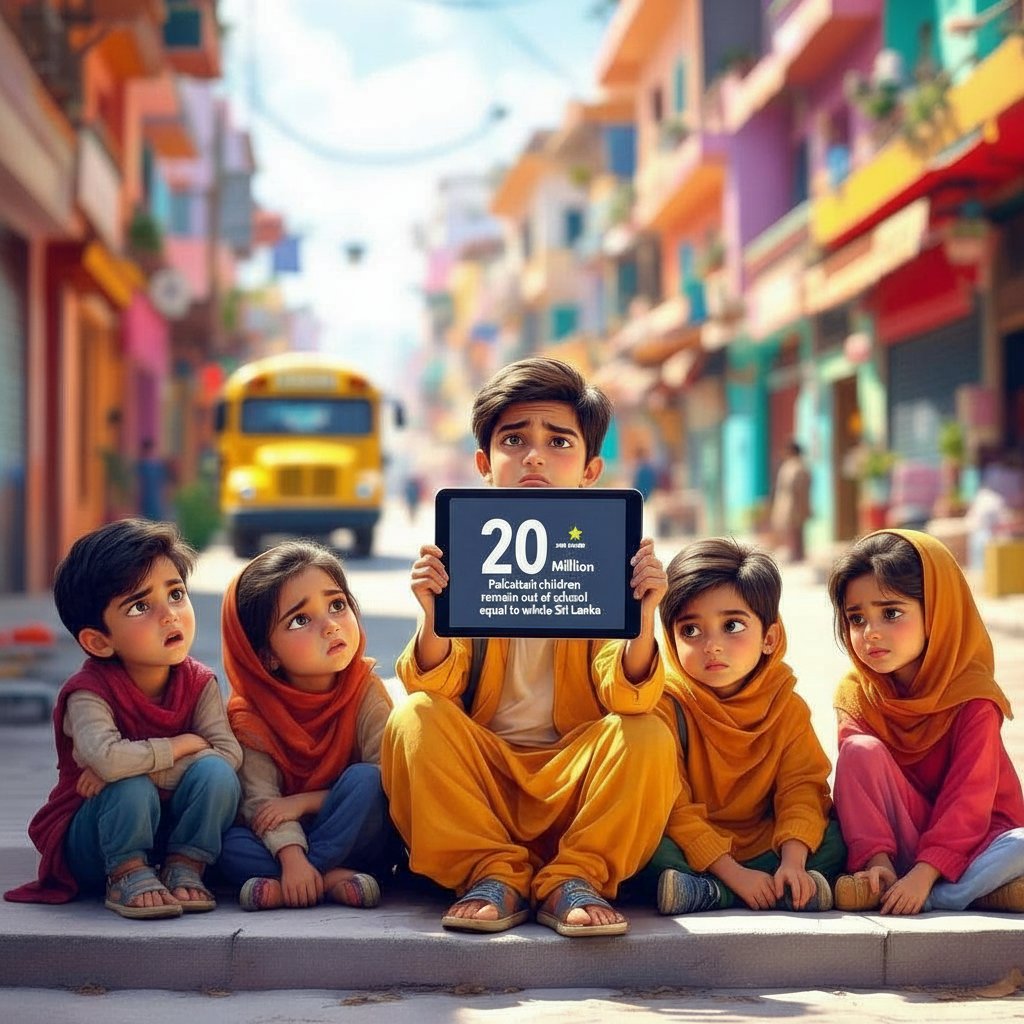
On January 1, 2026, Federal Minister Ahsan Iqbal launched Pakistan’s first-ever fully digital Household Integrated Economic Survey (HIES) 2024–25 at the Ministry of Planning in Islamabad. Conducted by the Pakistan Bureau of Statistics (PBS), the survey covered 32,000 households quarterly until June 2025, using an integrated ERP system for real-time data collection post the 2023 Digital Census. Key highlights include nationwide literacy rising from 60% to 63%, out-of-school children dropping from 30% to 28% approximately 20 million, and gender parity at primary level improving from 92% to 96%. Household internet access surged dramatically from 34% to 70%, with individual internet usage jumping from 17% to 57%. Smartphone ownership reached 96%, underscoring rapid digital penetration.
Health and Living Standards Show Positive Trends Amid Calls for Action
Health indicators reflected progress, with full immunization coverage (record-based) increasing from 68% to 73%, neonatal mortality falling from 41 to 35 per 1,000 live births, and infant mortality declining from 60 to 47. The total fertility rate edged down from 3.7 to 3.6 children per woman, while clean fuel usage rose from 35% to 38%. Household incomes and consumption grew, with major spending on food (37%) and housing/fuel (26%). Minister Iqbal praised PBS’s transformation into a data-driven institution, emphasizing the survey’s role in evidence-based policymaking and tracking SDGs. He urged addressing the education emergency to reach 90% participation and reduce 25 million out-of-school children, while calling for national unity toward a trillion-dollar economy by 2035.