
Pakistan’s maritime sector has long grappled with inefficiencies that hinder trade and economic progress. Major ports like Karachi Port Trust (KPT), Port Qasim Authority (PQA), and Gwadar Port face challenges such as prolonged cargo dwell times, high port charges—the highest in the region—and infrastructure limitations. These issues result in delays, elevated business costs, and reduced competitiveness for Pakistani exports. Historically, Karachi and Port Qasim handle the bulk of the country’s imports and exports, but factors like urban encroachment, upstream locations causing longer ship turnaround times, and underutilization at Gwadar—part of the China-Pakistan Economic Corridor (CPEC)—have limited overall capacity. Recent initiatives, including the National Ports Master Plan and fee reductions, set the stage for broader changes amid Pakistan’s push for export-led growth and maritime hub status under visions like “Maritime @100.”
Key Reforms Announced
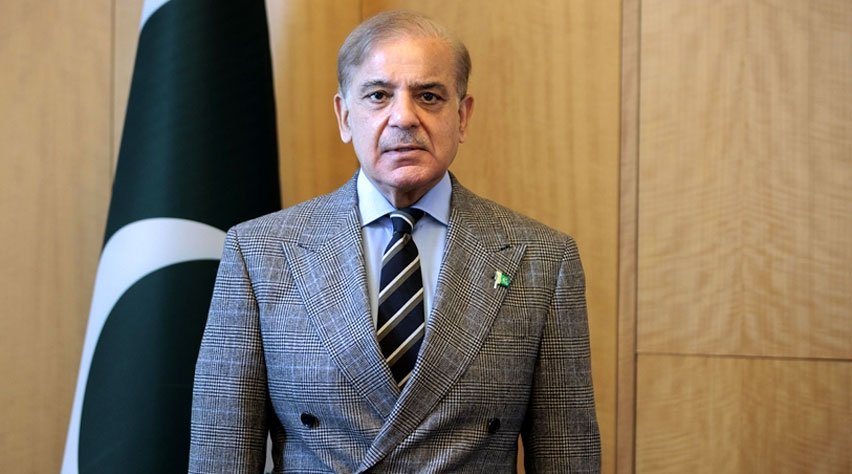
On December 25, 2025, Prime Minister Shehbaz Sharif announced an ambitious reform package during a meeting with a private-sector working group. Key measures include slashing cargo dwell times through better inter-agency coordination, establishing on-site testing labs to eliminate redundant checks, and implementing transparent e-bidding for auctioning abandoned cargo. Designated yards for obsolete goods, managed by international operators, will clear backlogs. Infrastructure upgrades involve accelerating dredging and expansion at all ports, particularly Karachi where tenders are awarded, to accommodate larger vessels. Rail connectivity enhancements will facilitate faster inland transport.
Expected Economic Impact
These reforms aim to lower port charges—building on recent 50% cuts at Port Qasim for bulk cargo—and streamline operations via systems like the Port Community System. By reducing delays and costs, the package is expected to enhance export competitiveness, stimulate business confidence (as seen in recent privatizations), and drive economic growth. Officials anticipate improved trade logistics, positioning Pakistan as a more attractive regional hub