
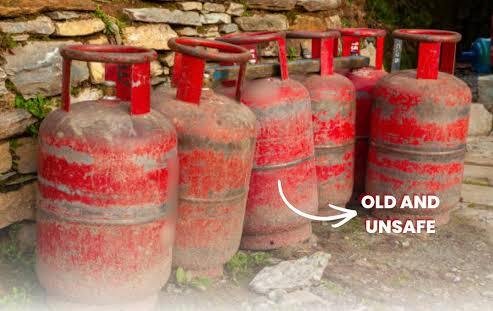
The Consumers Association of Pakistan (CAP) and the Pakistan LPG Marketers Association have called for urgent safety inspections of residential buildings across Sindh, particularly Karachi, amid concerns over potentially unsafe liquefied petroleum gas (LPG) storage and distribution systems.
CAP Chairman Kaukab Iqbal and M. Ali Haider, Senior Vice Chairman of the Pakistan LPG Marketers Association, raised the concerns during a joint press conference at CAP’s office. They urged authorities to examine apartment buildings where LPG is reportedly stored and supplied to multiple flats through shared pipelines, particularly in properties without regular natural gas connections.
The representatives stressed that inspections, regulatory compliance and public awareness were essential to reduce the risk of gas leaks, fires and other potentially life-threatening incidents.
Authorities Urged to Inspect Residential LPG Systems
Kaukab Iqbal called on the Commissioner Karachi, Sindh Building Control Authority (SBCA), Civil Defence and Oil and Gas Regulatory Authority (OGRA) to coordinate a comprehensive survey of residential buildings across Sindh.
He said inspections should focus on LPG storage tanks and cylinders, shared pipelines, regulators, ventilation systems, firefighting equipment, emergency exits and other essential safety arrangements.
Any deficiencies identified during inspections, he added, should be addressed promptly in accordance with applicable laws and technical standards.
Iqbal emphasised that residents must not be exposed to avoidable risks because of inadequate infrastructure or non-compliant utility installations. He urged authorities to prioritise the safety of occupants and ensure that residential buildings meet relevant requirements.
Apartment Buyers Need Clear Information About Utility Connections
The CAP chairman also called for greater transparency from builders and developers regarding utility arrangements in residential projects.
He said prospective buyers should receive clear information about the availability of natural gas and electricity connections, relevant approvals and essential facilities before booking or purchasing apartments.
According to Iqbal, buyers should understand how utilities will be supplied and whether the necessary arrangements comply with applicable requirements before committing their savings to a property.
He further stressed that building management committees and residents’ associations must take responsibility for maintaining safe living conditions and protecting residents’ investments.
LPG Installations Should Be Handled by Licensed Companies
M. Ali Haider urged building management committees, residents’ associations and occupants’ associations to arrange LPG storage and distribution systems exclusively through OGRA-licensed LPG marketing companies and their authorised distributors.
He said installations must meet applicable safety codes and technical requirements and be carried out by suitably qualified, trained and certified professionals.
Haider cautioned against using unqualified plumbers or non-standard fittings purchased from ordinary hardware stores for shared LPG pipeline systems. Improperly designed or installed systems can increase the risk of gas leakage and serious accidents.
He emphasised that professional installation, appropriate equipment and regular maintenance are essential to ensuring safe LPG distribution in multi-storey residential buildings.
LPG Leakage Risks Highlight the Need for Proper Ventilation
Haider explained that LPG is heavier than air and can accumulate in low-lying areas when released, making poorly ventilated basements particularly hazardous.
He said storage locations and installation arrangements must be assessed in accordance with applicable Pakistani regulations and relevant international safety standards, including NFPA 58, the Liquefied Petroleum Gas Code.
Proper ventilation, leak testing, emergency arrangements and regular inspections are important safeguards for buildings using shared LPG distribution systems.
The representatives called for compliance with applicable requirements rather than reliance on improvised installations that may expose residents to unnecessary danger.
CAP and LPG Association Clarify Safety Concerns
Haider clarified that LPG can be an efficient and environmentally friendly fuel when stored in approved cylinders or compliant storage systems and distributed through properly designed, installed and maintained pipelines.
He said the principal concern was not LPG itself but unsafe, unregulated and non-standard installation practices.
The association’s position, he indicated, was that appropriate technical standards, professional installation and effective oversight could help reduce risks associated with residential LPG use.
Inspection Coordination and Technical Support
Haider said the Pakistan LPG Marketers Association was working through inspection arrangements involving the Commissioner Karachi, Civil Defence and third-party inspectors to assess LPG retail outlets under the relevant regulatory framework.
He also expressed the association’s willingness to support the inclusion of residential buildings using shared LPG distribution systems in these inspection efforts.
Appreciating CAP’s initiative in highlighting the issue, Haider offered technical cooperation and professional support to improve safety practices and regulatory compliance across the sector.
Joint Call for Stronger Enforcement and Public Awareness
Both representatives called for closer coordination among government departments, regulators, licensed LPG companies and building associations to improve safety standards in residential properties.
They urged the relevant authorities to conduct regular inspections, address non-compliant installations and raise public awareness about safe LPG storage, distribution and use.
The initiative aims to strengthen consumer protection and reduce preventable risks for residents, particularly in apartment buildings that rely on shared LPG systems.