
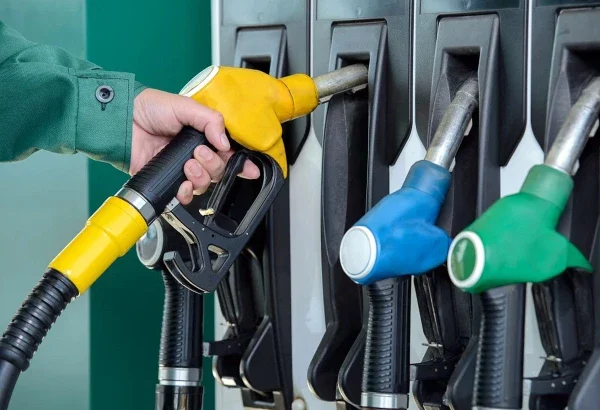
The impact of Pakistan’s petroleum levy extends well beyond the price motorists see at fuel stations. Economists argue that higher fuel costs can feed into freight, agriculture, manufacturing and retail prices as businesses pass higher transport and logistics expenses through the supply chain.
Official Pakistan Bureau of Statistics data shows that motor fuel prices were among the major sources of non-food inflation in August 2026. The data also recorded a 5.61% month-on-month increase in urban motor fuel prices.
The broader issue is that the direct weight of fuel in the consumer basket does not capture all of its indirect effects.
How Fuel Costs Multiply Across The Economy
Motor fuel represents a relatively modest share of household consumption expenditure, but transport costs affect the movement of almost every major category of goods.
Diesel is particularly important for economic activity because it is widely used by freight operators, agricultural machinery and industrial users. When diesel becomes more expensive, the resulting increase in transportation and production costs can eventually reach consumers through higher prices.
That creates a distinction between the direct inflation effect of fuel and the potential second-round effects transmitted through supply chains.
The Pakistan Bureau of Statistics reported that motor fuel prices increased sharply on a year-on-year basis in August, while transport-related costs also recorded significant increases.
Easy Collections, Delayed Tax Reform
The petroleum levy remains an important fiscal instrument because it can be collected relatively efficiently through fuel sales.
Pakistan’s IMF programme has also placed emphasis on strengthening public finances and broadening the tax base. The IMF has noted that higher petroleum development levy collections helped offset an FBR revenue shortfall during FY2026.
The government has simultaneously continued reforms involving petroleum taxation and energy pricing. Under the IMF-supported reform programme, the FY2026 Finance Act introduced a carbon levy that increased the petroleum development levy by Rs2.50 per litre and provided for a further Rs2.50 increase in FY2027, while also bringing fuel oil into the PDL framework.
This creates a fiscal trade-off. Fuel taxation can provide relatively predictable revenue, but greater reliance on consumption-based taxes can leave less pressure to address weaknesses in broader direct-tax collection.
The Tax Reform Question
The longer-term issue is therefore not simply whether petroleum products should generate more revenue.
A broader tax base could distribute the burden across more sources of economic activity instead of relying heavily on fuel consumption. The IMF’s current programme for Pakistan explicitly includes broadening the tax base among its fiscal priorities.
Improving tax compliance, expanding documentation and strengthening collection from sectors that remain relatively difficult to tax could provide alternatives to repeatedly increasing levies on widely consumed products.
For households and businesses, the distinction matters because fuel costs can influence prices well beyond the amount paid directly at the pump.
What The Fuel Levy Means For Inflation
The petroleum levy has two roles that can pull policy in different directions.
As a revenue measure, it can support fiscal consolidation and help the government meet its budget objectives. As a cost imposed on fuel consumption, however, it can increase transportation and production expenses and potentially contribute to broader price pressures.
The IMF has noted that inflation in Pakistan has risen as higher global commodity prices passed through to domestic energy prices.
That makes the policy challenge broader than the price of petrol or diesel alone. The question is how to maintain fiscal revenues while reducing the economy’s dependence on taxes that can feed into transportation, logistics and production costs.
For Pakistan, a more diversified and effective tax system would reduce the need to rely so heavily on fuel consumption as a source of government revenue while addressing the wider cost pressures that fuel prices can transmit through the economy.