
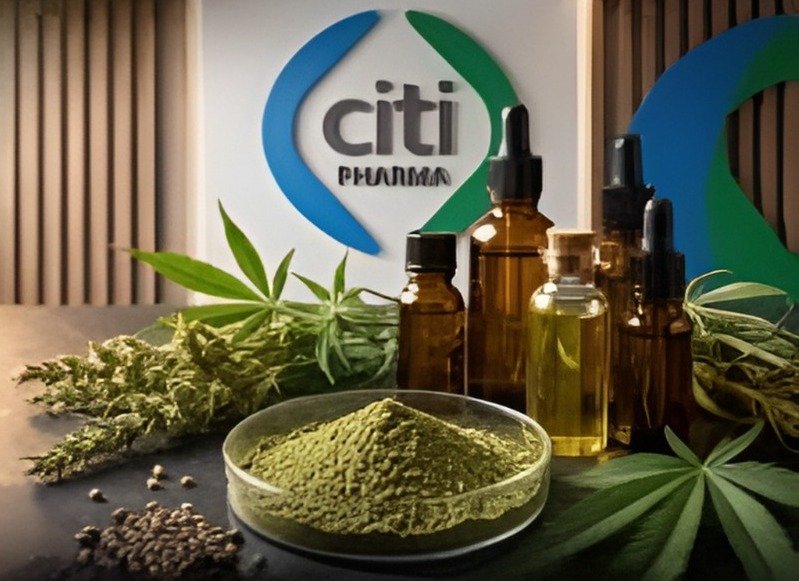
Citi Pharma Limited has taken a first legal step into cannabis.
Shareholders met in Lahore on 18 September 2026 and passed a special resolution to rewrite the company’s objects.The change is not a product launch. It is permission to chase licences.
What the Resolution Actually Allows
The new clause covers industrial hemp, medicinal cannabis, marijuana and allied work.
That includes cultivation, research, processing, extraction, manufacturing, storage, transport, import, export, distribution, marketing and sale.
The wording is broad on purpose. It lets a listed pharma company sit across the value chain if regulators allow it. Nothing in the vote legalises recreational use. Pakistan still treats that as illegal.
Why This Vote Matters Now
Pakistan has spent years building a licence system for hemp and medical cannabis.
The Cannabis Control and Regulatory Authority sits at the centre of that effort. Cultivation, extraction and pharmaceutical manufacture all need its nod.
Citi Pharma is an API and formulations business. Adding cannabis to its memorandum gives the board room to apply, partner and invest without a constitutional fight later. That is why the meeting mattered more than the wording looks.
How Shareholders Voted
The result was not close.
Votes in favour came to 131.58 million shares, or 99.94 percent of votes cast. That is 57.59 percent of the company’s capital. Eighteen shareholders voted against, holding 74,705 shares.
Most participation arrived by e-voting. A thin group sat in the room or voted by proxy. For a special resolution, the board got the majority it needed.
What Still Has to Happen
The resolution is subject to confirmation by the Securities and Exchange Commission of Pakistan.
After that come licences, registrations and approvals from the cannabis authority and any other competent body.
The company also authorised its chief executive and company secretary to tweak the paperwork if regulators ask for changes. So the headline is simple: shareholders said yes.
The harder part is turning a clause into licensed farms, labs and products. That work starts after the stamps, not after the meeting.