
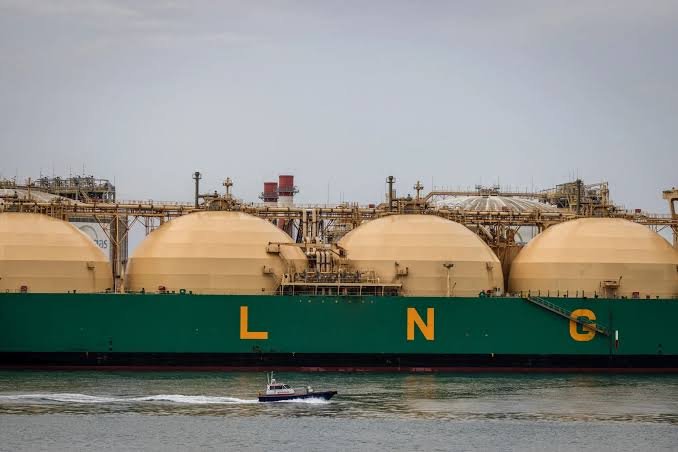
Pakistan’s RLNG Import Cost reached a record high in July 2026, highlighting the growing financial burden of relying solely on expensive spot liquefied natural gas (LNG) cargoes. With no long-term LNG shipments received under existing contracts with Qatar, Pakistan State Oil (PSO) was forced to depend entirely on spot market purchases, exposing the country to elevated global gas prices.
The latest figures have renewed concerns over Pakistan’s LNG procurement strategy, as industry experts warn that excessive reliance on the volatile spot market could increase energy costs for industries, power producers, and consumers.
RLNG Import Cost Climbs to Historic Level
According to data compiled by Arif Habib Limited, Pakistan LNG Limited (PLL) procured five spot LNG cargoes during July 2026 at an average Delivered Ex-Ship (DES) price of $18.98 per mmbtu, equivalent to a Brent slope of 20.07%.
After adding $4.72 per mmbtu in additional costs, the overall RLNG Import Cost rose to $23.70 per mmbtu, the highest delivered RLNG cost ever recorded in Pakistan.
Despite the sharp increase in procurement costs, the five cargoes supplied around 428 million cubic feet per day (mmcfd) of RLNG, keeping overall import volumes broadly stable during the month.
No Long-Term LNG Cargoes Received
A key feature of the July import data was the continued absence of long-term LNG cargoes under Pakistan’s agreements with Qatar.
Long-term LNG contracts are generally designed to provide greater price stability and reduce exposure to fluctuations in international spot markets. However, PSO did not receive any contracted cargoes during July, forcing the country to rely entirely on spot purchases at a time when global LNG prices remained elevated.
This procurement pattern has significantly increased Pakistan’s import bill while adding pressure to the country’s energy sector and foreign exchange reserves.
Reliance on Spot Market Raises Policy Questions
The latest data has reignited debate over Pakistan’s LNG procurement strategy.
While spot purchases provide flexibility in managing supply, depending exclusively on the spot market leaves Pakistan vulnerable to sudden price spikes and supply disruptions.
Energy analysts have consistently argued that a balanced procurement approach—combining long-term contracts with selective spot purchases—offers greater protection against international market volatility while ensuring supply security.
The continued absence of long-term cargoes has also prompted questions about contract utilisation, procurement planning, and the long-term management of Pakistan’s LNG supply portfolio.
Higher Energy Costs Could Affect the Economy
The record RLNG Import Cost is expected to have wider implications for Pakistan’s economy.
Higher imported gas costs may eventually translate into increased electricity generation costs, higher industrial production expenses, and additional inflationary pressure if the increased procurement costs are passed on to consumers.
Industries dependent on natural gas, particularly export-oriented manufacturers, could face rising operating costs that reduce their competitiveness in international markets.
At a time when Pakistan is managing fiscal pressures and foreign exchange constraints, record-high LNG import costs add another layer of economic challenges.
Long-Term Planning Becomes Increasingly Important
The July 2026 figures highlight the importance of strengthening Pakistan’s long-term energy procurement strategy.
While maintaining adequate LNG supplies remains essential, reducing excessive dependence on volatile spot markets could help stabilise import costs and improve energy security.
A more balanced procurement framework, supported by efficient contract management and diversified supply sources, may help Pakistan minimise future price shocks while ensuring a reliable supply of natural gas for power generation and industrial consumption.