
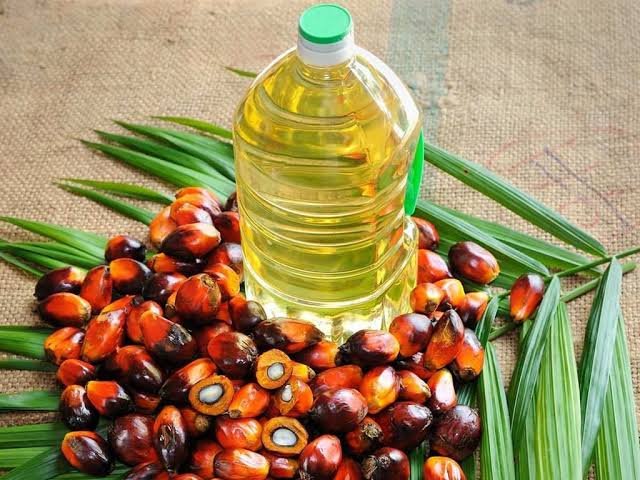
Pakistan Palm Oil Imports surged to an all-time high during fiscal year 2025-26, highlighting the country’s growing dependence on imported edible oil while exposing long-standing policy failures that continue to threaten food security and consumer affordability. According to the Pakistan Bureau of Statistics (PBS), the country imported 3.482 million tonnes of palm oil worth $3.785 billion in FY26, compared to 3.214 million tonnes valued at $3.4 billion in the previous fiscal year.
The latest figures underline not only increasing domestic demand but also Pakistan’s inability to develop a sustainable edible oil production strategy despite decades of reliance on costly imports.
Pakistan Palm Oil Imports Continue to Rise Despite Higher Global Prices
The average import price of palm oil increased to $1,078 per tonne during FY26 from $1,056 per tonne in FY25. Although the increase appears modest, the higher import volume significantly raised Pakistan’s overall import bill, placing additional pressure on the country’s foreign exchange reserves.
Industry experts believe the demand for edible oil is expanding much faster than domestic agricultural production. Population growth, urbanisation and changing consumption patterns have pushed annual edible oil consumption to approximately 4.8 million tonnes, up from around four million tonnes just five years ago.
This widening gap between demand and domestic production continues to force Pakistan to rely heavily on imported palm oil, leaving consumers vulnerable to international price fluctuations and currency depreciation.
Lack of an Edible Oil Policy Raises Serious Questions
Pakistan Vanaspati Manufacturers Association (PVMA) Chairman Sheikh Umer Rehan criticised successive governments for failing to introduce a comprehensive edible oil policy since the country’s independence.
His criticism raises an important question: how can a nation importing billions of dollars worth of edible oil every year continue without a long-term strategy to reduce dependence on imports?
While policymakers frequently discuss food security, little progress has been made to encourage large-scale cultivation of oilseed crops such as sunflower, canola and soybean. Production of traditional oilseed crops, including cottonseed, has also remained weak, further widening Pakistan’s import dependence.
Without structural reforms and investment in domestic agriculture, the country’s edible oil import bill is likely to continue rising year after year.
New Tax Mechanism Could Increase Cooking Oil Prices
Another major concern for consumers is the Federal Budget FY27, which introduced a new sales tax mechanism for the edible oil and ghee sector.
Under the revised taxation framework, sales tax will now be calculated on the Maximum Retail Price (MRP) instead of the ex-mill price. Industry representatives argue that this change will substantially increase the tax burden on manufacturers.
According to the PVMA, the revised mechanism could raise retail prices of ghee and cooking oil by approximately Rs10 to Rs15 per kilogram, adding another layer of inflation for already burdened households.
The association has also criticised the Federal Board of Revenue (FBR), alleging that instead of simplifying tax compliance and improving the business environment, the authority is introducing additional complexities for manufacturers.
Consumers Already Paying Higher Prices
Market data already reflects a gradual increase in edible oil prices across Pakistan.
The national average price of a five-litre cooking oil container currently ranges between Rs2,975 and Rs3,110, compared with Rs2,800 to Rs3,000 a year earlier. Similarly, 2.5-kilogram packs of ghee now sell for Rs1,500 to Rs1,565, while one-kilogram packs are priced between Rs590 and Rs610, both recording noticeable increases over the previous year.
Although these increases appear moderate individually, they add significant financial pressure on millions of households already struggling with inflation and rising living costs.
Pakistan Must Reduce Import Dependence
The record Pakistan Palm Oil Imports should serve as a wake-up call for policymakers. Increasing imports may satisfy immediate demand, but they also expose the economy to external price shocks, exchange rate volatility and growing pressure on foreign reserves.
Rather than relying almost entirely on imported edible oil, Pakistan urgently needs a comprehensive national strategy that encourages domestic oilseed cultivation, supports farmers through targeted incentives and promotes investment in modern agricultural technology. Without meaningful reforms, consumers will continue paying higher prices while the country’s import bill keeps climbing.
The record-breaking Pakistan Palm Oil Imports in FY26 demonstrate both the strength of domestic demand and the weaknesses in Pakistan’s agricultural and food security policies. As new taxation measures threaten to push cooking oil and ghee prices even higher, the government faces increasing pressure to balance revenue collection with consumer protection. Unless long-overdue structural reforms are implemented, Pakistan’s dependence on imported edible oil is likely to deepen, making future price shocks even more difficult to manage.