
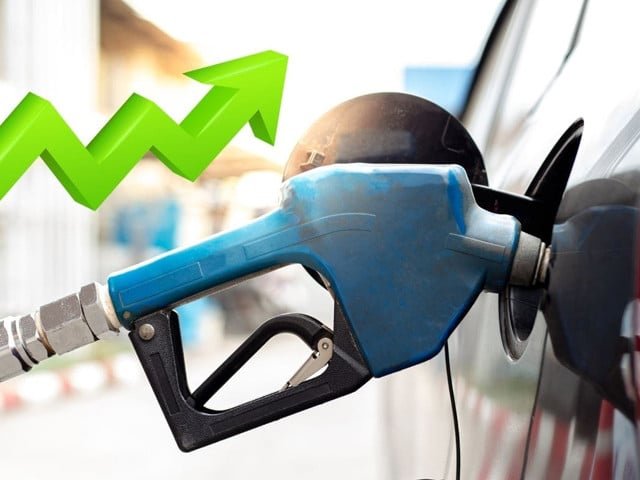
The government on Friday raised petrol and diesel prices by up to Rs31 per litre in line with global oil price fluctuations. The new rates took effect on July 18, 2026, under the newly introduced daily price review mechanism.
Daily Price Review Introduced
The switch to daily oil price reviews marks a significant policy shift. Previously, the government moved from fortnightly to weekly reviews following the initial wave of Iran-US tensions.
The latest move is aimed at allowing domestic fuel prices to respond more quickly to changes in international oil markets while reducing the risk of supply disruptions.
Impact of Strait of Hormuz Closure
Fresh escalation between Iran and the United States has led to the closure of the Strait of Hormuz. The disruption of this critical global energy chokepoint threatens oil supplies to international markets, including Pakistan.
Rising geopolitical tensions have pushed crude oil prices higher, prompting the government to revise domestic petroleum prices under the new daily pricing framework.
New Ex-Depot Prices
High-Speed Diesel (HSD) price increased by Rs31.05 per litre, rising from Rs323.30 to Rs354.35 per litre.
Petrol registered a comparatively smaller increase of Rs5.44 per litre, moving from Rs310.71 to Rs316.15 per litre.
Petroleum Levy Details
The government continues to charge a Rs70.82 per litre petroleum levy on retail High-Speed Diesel and Rs79.46 per litre on direct sales, in addition to a Rs5 Climate Support Levy (CSL).
For petrol, the petroleum levy remains Rs80 per litre, along with a Rs5 CSL at retail outlets.
Officials stated that the revised prices will apply only for July 18, 2026, with rates to be reassessed under the new daily review mechanism.
Second Consecutive Fuel Price Increase
This marks the second recent adjustment in petroleum prices. Last Friday, fuel prices were increased by up to Rs13.80 per litre under the weekly pricing mechanism.
International oil prices surged again following renewed Iran-US tensions. Earlier optimism stemming from a temporary ceasefire had briefly eased domestic fuel prices before the latest escalation reversed the trend.
Economic Impact of Higher Fuel Prices
High-Speed Diesel is widely used by Pakistan’s transport and agriculture sectors. The sharp increase is expected to raise transportation costs, increase agricultural input expenses, and add to inflationary pressures across the economy.
Petrol demand has also risen in Punjab following restrictions on the use of indigenous gas, meaning motorists and motorcycle users are likely to face higher transportation costs.
Kerosene oil continues to serve remote northern regions where LPG availability remains limited, while the Pakistan Army remains among its major institutional users.
Light diesel oil supports various industrial operations, while the furnace oil levy remains at Rs77 per litre, plus the Rs5 Climate Support Levy.
Daily Pricing Aims to Prevent Fuel Shortages
The introduction of the daily oil pricing mechanism is expected to make it more difficult for petroleum dealers to engage in speculative hoarding during periods of rapid international price movements.
The government says the system will improve alignment with global oil benchmarks, discourage artificial shortages, and ensure more timely price adjustments.
Economists, however, warn that if elevated crude oil prices persist due to continued disruptions in the Strait of Hormuz, Pakistan could face additional pressure on its import bill and foreign exchange reserves. Policymakers may need to carefully balance fiscal sustainability with measures aimed at protecting consumers from prolonged inflation.