
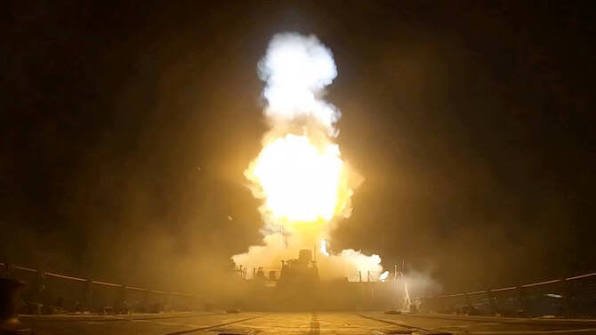
Deadly US strikes overnight hit an airport, a railway station, and bridges in Iran, killing at least three people and wounding several others, according to Iranian state media. The attacks come as tensions over the Strait of Hormuz intensify, with both sides exchanging fire despite earlier diplomatic efforts.
Infrastructure Damage and Casualties Reported Across Iran
A US strike on two bridges in Hormozgan province killed three people and wounded nine, state television reported. Explosions were also heard near Iranshahr Airport in southeastern Iran, with at least one projectile reportedly striking the facility.
Bandar Abbas Railway Junction Station was also targeted, injuring two people, according to Mehr News Agency. Another strike wounded one person in the port city of Bushehr, while Chabahar’s maritime control tower was reportedly hit for the third time in a week.
Iran Reports Rising Death Toll
Iran’s Ministry of Health said that 38 people have been killed and more than 400 injured since US strikes resumed in late June. According to Iranian authorities, the casualties include women and minors, underscoring the humanitarian impact of the ongoing conflict.
Iran Claims Retaliation as Strait of Hormuz Tensions Deepen
Iran’s Revolutionary Guards claimed responsibility for a retaliatory strike on a US command centre in Syria. They also asserted that Iran continues to maintain control over the Strait of Hormuz, disrupting oil and gas exports during the conflict.
The US Central Command (CENTCOM) confirmed carrying out a new wave of strikes targeting Iranian military assets, stating that the operations are intended to degrade Iran’s military capabilities and respond to attacks on commercial shipping. US officials said more than 50,000 American military personnel remain deployed across the region.
US Cites Memorandum Violation
The United States said the latest military action followed what it described as Iran’s violation of a Pakistan-mediated memorandum of understanding. President Donald Trump stated that the United States is “winning big in Iran,” while White House officials reiterated that the naval blockade targeting Iranian ports would continue.
Global Energy Markets and Pakistan Face Growing Risks
The escalating conflict has heightened concerns over global energy supplies passing through the Strait of Hormuz, one of the world’s most critical oil transit routes.
For Pakistan, sustained disruptions could translate into higher crude oil prices, increased inflation, and additional pressure on the country’s current account through rising import costs.
Analysts also warn that prolonged instability in the Middle East could affect remittance flows, regional trade routes, and investor confidence across emerging markets, including Pakistan. Diplomatic efforts involving regional stakeholders, including Pakistan, may gain renewed importance as the conflict continues.