
Government Proposes Refinery Policy Changes to Strengthen Energy Security
The federal government has proposed govt refinery policy amendments designed to increase domestic diesel production, reduce Pakistan’s dependence on imported fuel and strengthen the country’s long-term energy security amid growing uncertainty in global oil markets.
The proposals were discussed during the fourth meeting of the Prime Minister’s committee reviewing Pakistan’s petroleum pricing mechanism. Federal Minister for Petroleum Ali Pervaiz Malik chaired the meeting, where committee members examined international best practices, market trends and policy options aimed at making the country’s petroleum sector more efficient, transparent and resilient.
Refinery Upgrades to Increase Domestic Diesel Production
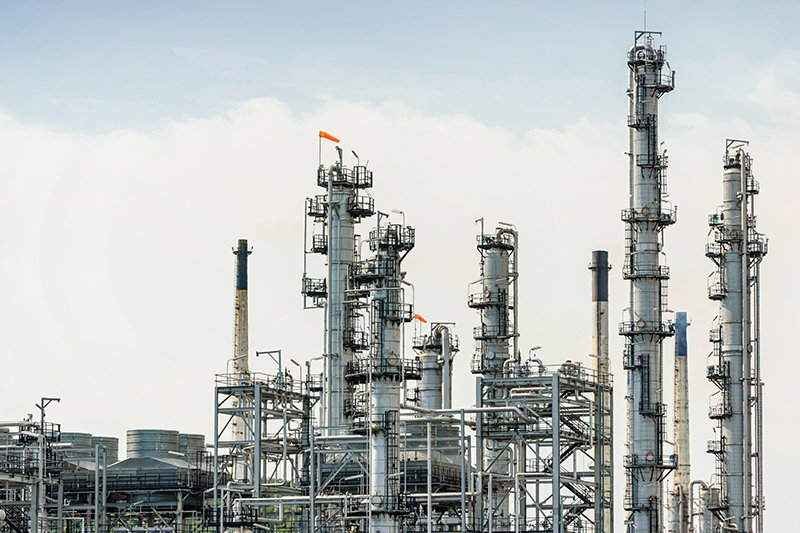
Speaking at the meeting, the petroleum minister said the govt refinery policy amendments are intended to encourage local refineries to produce larger volumes of high-speed diesel (HSD), reducing the need for costly imports while improving Pakistan’s ability to meet domestic fuel demand through indigenous refining capacity.
He said strengthening local refining capabilities has become increasingly important given the volatility in international energy markets and the risks associated with disruptions to global oil supply routes.
The minister pointed to the renewed closure of the Strait of Hormuz as a reminder of Pakistan’s vulnerability to external supply shocks. The strategic waterway is one of the world’s busiest oil shipping routes, and any disruption can significantly affect crude oil supplies, freight costs and international fuel prices.
He said the committee’s work had become even more critical under these circumstances, as Pakistan seeks to safeguard its energy supplies while protecting consumers from excessive price volatility.
Increasing domestic diesel production through refinery upgrades is expected to reduce Pakistan’s reliance on imported diesel, improve energy resilience and help contain the country’s fuel import bill over the longer term.
Diesel remains one of Pakistan’s most widely used petroleum products, serving the transport, agriculture, industrial and power generation sectors. A greater share of locally refined diesel could also improve supply stability during periods of international market disruption.
Regional Fuel Price Comparison Reviewed
During the meeting, members also reviewed a comparative assessment of regional fuel prices prepared by KPMG.
According to the study, petrol prices in Pakistan remain lower than those in Bangladesh, Sri Lanka and Türkiye, while remaining broadly comparable with prices in neighboring India.
The comparison was presented to provide context for Pakistan’s existing petroleum pricing structure and demonstrate how domestic prices compare with those in regional markets despite fluctuations in international crude oil prices.
OGRA Asked to Improve Petroleum Pricing Transparency
The committee also focused on improving transparency in petroleum pricing.
As an immediate measure, members recommended that the Oil and Gas Regulatory Authority (OGRA) begin publishing daily Platts benchmark pricing data on its official website.
Platts assessments are widely used across international energy markets as the benchmark for determining petroleum product prices.
Committee members said making this information publicly available would help consumers, businesses and market participants better understand how petroleum prices are calculated in Pakistan, thereby improving transparency and public confidence in the pricing mechanism.
Another key recommendation concerned the operation of the recently established Petroleum Price Stabilization Fund.
The committee agreed that the fund should function under a fully rule-based framework with clearly defined procedures governing both the collection and utilization of financial resources.
Members emphasized that transparent rules would ensure the fund operates independently of discretionary decisions while providing a predictable mechanism for stabilizing fuel prices during periods of exceptional market volatility.
Such a framework, they said, would strengthen public trust and improve policy consistency in the petroleum sector.
Digitalization of Oil Supply Chain Recommended
The meeting also highlighted the urgent need to digitize Pakistan’s oil supply chain.
Committee members unanimously supported the adoption of digital systems across fuel transportation, storage, monitoring and distribution networks to improve operational efficiency, reduce leakages and enhance regulatory oversight.
Digitization is expected to provide real-time tracking of petroleum products throughout the supply chain, helping authorities monitor inventories, improve tax compliance and minimize opportunities for smuggling and other irregularities.
The move would also support better coordination among refineries, oil marketing companies, storage facilities and government regulators.
Final Recommendations to Be Submitted to Prime Minister
At the conclusion of the meeting, Petroleum Minister Ali Pervaiz Malik directed that the committee’s next meeting would serve as its final session.
He instructed members to finalize all outstanding recommendations so that a comprehensive report can be submitted to Prime Minister Shehbaz Sharif for review and consideration.
The recommendations are expected to form the basis of future reforms aimed at modernizing Pakistan’s petroleum pricing system, strengthening domestic refining capacity and improving energy security.
The meeting was attended by Federal Minister for Economic Affairs Ahad Khan Cheema, Minister of State for Finance Bilal Azhar Kayani, OGRA Chairman Nabeel Awan, representatives of KPMG, committee members and senior officials from the Finance Division, Pakistan State Oil (PSO), the Ministry of Law and Justice, the Petroleum Division and other relevant government institutions.