
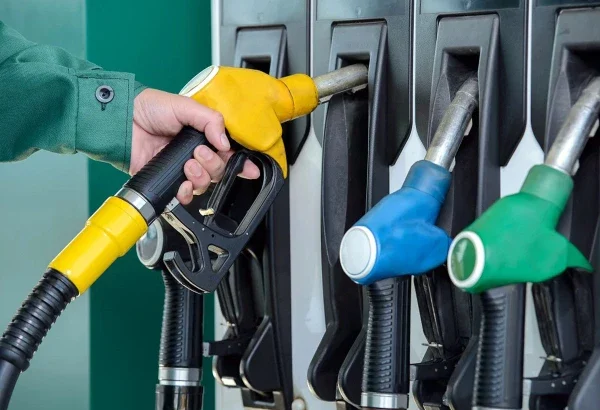
The petrol prices in Pakistan have increased significantly after the federal government announced a fresh revision in petroleum product prices, effective from July 11, 2026. The Ministry of Energy’s Petroleum Division said the ex-depot prices of both Motor Spirit (MS), commonly known as petrol, and High-Speed Diesel (HSD) have been raised by more than Rs13 per litre.
According to a notification issued by the Petroleum Division, the ex-depot price of High-Speed Diesel (HSD) has increased by Rs13.80 per litre, taking the new price to Rs323.30 per litre, compared with the previous rate of Rs309.50 per litre.
Similarly, the price of Motor Spirit (MS) has been raised by Rs13.18 per litre. Consumers will now pay Rs310.71 per litre for petrol instead of the earlier price of Rs297.53 per litre.
The revised prices came into effect on July 11, 2026, and will remain applicable until the next fortnightly review by the government.
Sharp Increase Reverses Previous Price Cut
The latest increase has reversed the relief provided to consumers just a week earlier. During the previous fortnightly review, the government had reduced fuel prices to provide temporary relief amid fluctuations in international oil markets.
At that time, the price of HSD was cut from Rs311.47 per litre to Rs309.50 per litre, while the price of petrol was reduced from Rs299.50 per litre to Rs297.53 per litre.
However, the latest revision has not only withdrawn that relief but has pushed fuel prices well above the previous levels, increasing transportation and operating costs across several sectors of the economy.
Govt Announces New Fuel Rates
The Ministry of Energy stated that the revised ex-depot prices would apply nationwide from July 11. The announcement follows the government’s regular fortnightly review of petroleum prices, which considers movements in international oil prices, exchange rate fluctuations, taxes, and other pricing components.
The government reviews petroleum prices every two weeks to reflect changes in global crude oil markets and import costs. The latest adjustment represents one of the largest increases in recent months.
Although the official notification confirmed the revised rates, it did not provide a detailed explanation for the size of the increase.
Estimates Suggested Prices Could Have Remained Stable
Market estimates had indicated that the government had room to keep petroleum prices unchanged or even announce another modest reduction.
According to estimates available before the official announcement, the pricing formula did not point to a significant increase in domestic fuel prices. Instead, analysts expected either stable prices or a slight decrease, depending on the final exchange rate adjustment and applicable tax calculations.
The government’s decision to raise prices therefore came as a surprise to many market observers and consumers.
Higher Fuel Prices Expected to Affect Economy
The increase in petrol prices in Pakistan is expected to have a direct impact on household budgets and business operating costs.
Petrol is widely used by private vehicles, motorcycles, ride-hailing services, and commercial transport. A higher petrol price generally leads to increased commuting expenses for millions of people across the country.
High-Speed Diesel, on the other hand, is the primary fuel used by heavy transport vehicles, buses, agricultural machinery, and many industrial operations. Any increase in diesel prices usually raises freight charges and logistics costs, which can eventually push up the prices of essential goods and services.
Businesses involved in transportation, agriculture, construction, and manufacturing are also expected to face higher operating expenses following the latest increase.
Consumers Face Fresh Financial Pressure
The latest hike comes at a time when consumers are already dealing with rising living costs. Fuel prices play a key role in determining transportation expenses and the overall cost of doing business.
Higher petroleum prices often have a ripple effect throughout the economy by increasing the cost of moving goods from producers to markets. This can contribute to higher prices for food items, consumer products, and other daily necessities.
Motorists filling their tanks from July 11 will immediately feel the impact of the revised rates, while businesses dependent on diesel-powered transport may also adjust their service charges in response to higher fuel costs.
The government is expected to conduct its next petroleum price review in the coming weeks.
Future adjustments will largely depend on international crude oil prices, movements in the exchange rate, import costs, and the government’s tax policy.