
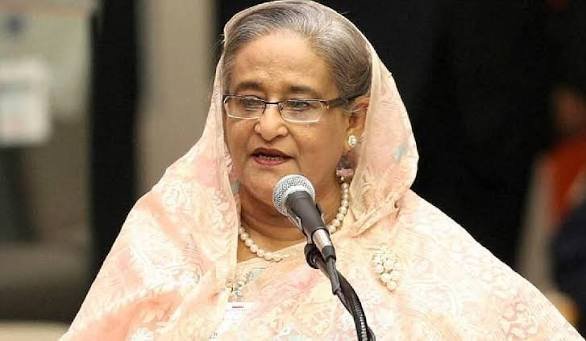
Former Bangladesh Prime Minister Sheikh Hasina has announced plans to return to Bangladesh in December from self-imposed exile in India, saying she will surrender before the courts despite facing a death sentence handed down in absentia by a war-crimes tribunal.
Hasina Vows to Return to Her Homeland
The former leader fled Bangladesh in 2024 after student-led protests ended her long rule.
A war-crimes court later sentenced her to death in absentia for allegedly ordering a crackdown that killed up to 1,400 people, according to a United Nations report. Hasina has denied all allegations against her.
Expressing her emotional attachment to Bangladesh, she said, “If death comes, I want it to come on my own soil, where my parents are buried and where their blood was shed.”
Return Could Have Major Political and Diplomatic Impact
Hasina’s planned return is expected to deepen political divisions in the South Asian nation of 170 million people as the interim government continues efforts to restore stability.
The move could also influence relations between Bangladesh and India, which has hosted the former prime minister since she left office.
Bangladesh has repeatedly sought her extradition. However, Hasina said she has not coordinated her return with any foreign government and intends to return voluntarily.
She added that while the authorities in Dhaka continue sending extradition requests to India, she plans to return on her own.
Awami League Ban Remains a Key Issue
The Awami League remains banned, with many of its leaders and supporters facing legal cases, arrests, or attacks.
Despite the restrictions, Hasina said she has been reorganising the party through online meetings covering 125 constituencies.
She also called for the ban on the Awami League to be lifted, arguing that voters—not the authorities—should determine the party’s future.
According to Hasina, although she may have been convicted and could be barred from contesting elections, there is no justification for suspending the Awami League.
Hasina Defends Her Political Legacy
Hasina entered national politics after the assassination of her father, Sheikh Mujibur Rahman, in the 1975 military coup.
She has been widely credited with overseeing significant economic growth during her years in office. However, critics have accused her government of suppressing political opposition and dissent throughout her two decades in power—allegations she has consistently denied.
Hasina has also been arrested multiple times in the past during political movements against military rule.
Former Prime Minister Says She Is Ready to Face Court
Despite the possibility of imprisonment or even execution, Hasina said she is not afraid to return or face legal proceedings.
Drawing on her previous experiences of detention, she reiterated her determination to return to Bangladesh, defend herself in court, and continue advocating for the Awami League.