
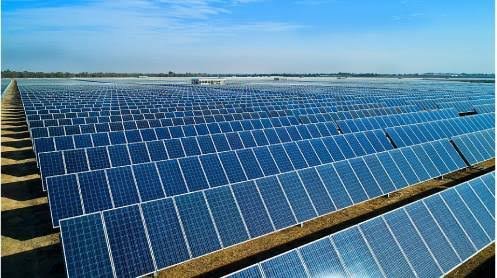
ISLAMABAD: The Gilgit-Baltistan 100MW Solar Project has taken a significant step forward after the PC-1 for its 82-megawatt (MW) utility-scale component was formally submitted to the Executive Committee of the National Economic Council (ECNEC) for approval.
The development came during a high-level meeting chaired by Prime Minister Shehbaz Sharif on Wednesday to review progress on the solar energy initiative, which is expected to improve electricity supply and reduce load shedding across **Gilgit-Baltistan>.
According to an official statement, the project forms part of the federal government’s efforts to expand renewable energy, improve energy security and provide reliable electricity to underserved regions.
PC-1 for 82MW Solar Component Submitted
Officials informed the prime minister that the PC-1 for the project’s 82MW utility-scale solar component has been submitted to Executive Committee of the National Economic Council for approval.
Once approved, the project will move into the implementation phase.
The government estimates that the 82MW solar facility will benefit around 1.3 million people by improving electricity availability and significantly reducing power outages across Gilgit-Baltistan.
The project is expected to increase the share of clean energy in the region while lowering dependence on conventional power sources.
PM Calls Solar Energy a National Priority
During the meeting, Prime Minister Shehbaz Sharif stressed that expanding solar power remains a national priority because it provides clean, affordable and environmentally friendly electricity.
He said renewable energy projects are essential for Pakistan’s long-term energy security and economic development.
The prime minister described the Gilgit-Baltistan 100MW Solar Project as “a gift from the federal government to the people of Gilgit-Baltistan”, highlighting the government’s commitment to improving living standards in the region.
He directed the Power Division to ensure that the project is installed and completed within the scheduled timeframe.
Transparency in Procurement Ordered
Prime Minister Shehbaz Sharif also instructed officials to maintain complete transparency throughout the procurement process.
He directed that all procurement activities should follow established procedures to ensure fairness and accountability.
The prime minister further ordered that payments to contractors should only be made after comprehensive third-party verification of completed work.
The directive aims to ensure quality standards are maintained while safeguarding public funds allocated for the project.
18MW Rooftop Solar System Also Planned
Officials also briefed the meeting on another major component of the initiative.
Besides the 82MW utility-scale solar plant, the government plans to install an 18MW rooftop solar system, supported by battery storage, on 499 government buildings across Gilgit-Baltistan.
The rooftop installations are expected to be completed by December.
The government believes this component will improve the quality of electricity services, reduce energy costs for public institutions and strengthen the region’s energy self-sufficiency.
Battery storage systems will also help provide a more reliable electricity supply during periods of lower solar generation.
Project Aims to Reduce Load Shedding
The Gilgit-Baltistan 100MW Solar Project is expected to play an important role in addressing electricity shortages in the mountainous region.
Gilgit-Baltistan has long faced power supply challenges, particularly during winter months when electricity demand rises and hydropower generation declines.
By adding 100MW of solar capacity, the government hopes to reduce load shedding, improve energy reliability and support economic activity across the region.
The project also aligns with Pakistan’s broader strategy to increase renewable energy generation and reduce reliance on imported fossil fuels.
Senior Ministers Attend Review Meeting
The meeting was attended by several senior government officials, including Federal Minister for Power Sardar Awais Ahmad Khan Leghari, Minister of State for Finance and Railways Bilal Azhar Kayani, along with other officials from relevant ministries and departments.
Participants reviewed the project’s progress, implementation timeline and procurement arrangements to ensure the initiative remains on schedule.
Project Builds on Earlier Federal Initiative
The latest progress follows an earlier decision made by Prime Minister Shehbaz Sharif in September 2025, when he approved a plan to use confiscated solar panels for public energy projects in Gilgit-Baltistan.
That initiative allocated 100MW of solar capacity for distributed solar photovoltaic projects across remote locations in the region.
The current project represents the implementation of that commitment and is designed to improve electricity access in some of Pakistan’s most geographically challenging areas.
Once completed, the Gilgit-Baltistan 100MW Solar Project is expected to provide cleaner, more reliable and affordable electricity to communities while supporting the country’s transition toward renewable energy and sustainable development.