
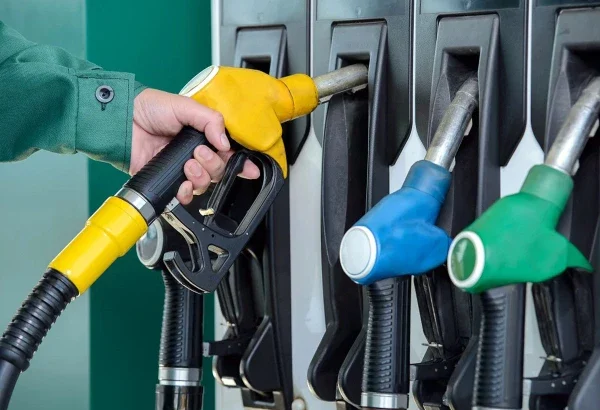
The federal government has announced a reduction in the Petrol Price in Pakistan, lowering the prices of both Motor Spirit (MS) and High-Speed Diesel (HSD) by Rs1.97 per litre. The revised prices came into effect on July 4, 2026, providing some relief to consumers after fuel prices remained unchanged in the previous fortnight.
The latest revision follows a decline in international oil prices, supported by easing geopolitical tensions in the Middle East. Although the reduction is modest, it is expected to benefit motorists, transport operators, businesses, and industries that rely heavily on petroleum products.
Government Announces New Petrol and Diesel Prices
According to a press release issued by the Ministry of Energy’s Petroleum Division, the ex-depot price of Motor Spirit (MS) has been reduced from Rs299.50 per litre to Rs297.53 per litre.
Similarly, the ex-depot price of High-Speed Diesel (HSD) has been cut from Rs311.47 per litre to Rs309.50 per litre.
The revised prices became effective from July 4, 2026, and will remain applicable until the government’s next fortnightly fuel price review.
The government periodically revises petroleum prices based on international oil market trends, exchange rate movements, import costs, and applicable taxes and petroleum levies.
Revised Fuel Prices
| Petroleum Product | Previous Price | New Price | Reduction |
|---|---|---|---|
| Motor Spirit (Petrol) | Rs299.50/litre | Rs297.53/litre | Rs1.97 |
| High-Speed Diesel | Rs311.47/litre | Rs309.50/litre | Rs1.97 |
Relief for Consumers After Prices Remained Unchanged
The latest reduction comes after the government maintained fuel prices during the previous fortnightly review.
At that time, petrol remained at Rs299.50 per litre, while High-Speed Diesel stayed at Rs311.47 per litre, despite expectations that prices might decline.
With the latest announcement, consumers will now receive a modest reduction at fuel stations nationwide. While the decrease may not substantially reduce household expenses, it offers some relief amid persistent inflation and elevated transportation costs.
Why Have Fuel Prices Been Reduced?
The reduction in the Petrol Price in Pakistan follows a decline in international crude oil prices over recent weeks.
Global energy markets experienced significant volatility during the Iran-Israel conflict, raising concerns over potential supply disruptions through the Strait of Hormuz. Those concerns temporarily pushed crude oil prices higher.
However, easing geopolitical tensions have reduced fears of supply disruptions, allowing international benchmark crude prices to retreat from recent highs.
The decline in global oil prices has enabled the government to pass on part of the benefit to Pakistani consumers through lower petroleum prices.
Impact on Transportation and Businesses
Petrol is primarily used by motorcycles, passenger vehicles, ride-hailing services, and private transport. Lower petrol prices can help reduce commuting costs for millions of consumers.
High-Speed Diesel remains critical for Pakistan’s economy, as it powers heavy transport vehicles, buses, trucks, railway operations, agricultural machinery, and various industrial sectors.
Lower diesel prices can reduce transportation and logistics costs, which may gradually ease inflationary pressures if freight charges and supply chain expenses decline.
However, economists note that the overall impact on inflation will depend on global oil prices, exchange rate movements, taxation policies, and domestic market conditions.
Fuel Prices Continue to Depend on Global Markets
Pakistan imports a significant portion of its petroleum requirements, making domestic fuel prices highly sensitive to developments in international energy markets.
Besides global crude oil prices, the government also considers import premiums, freight charges, the rupee-dollar exchange rate, petroleum development levy, customs duties, and other applicable taxes before revising fuel prices.
As a result, domestic petroleum prices may increase or decrease even when international crude oil prices experience only modest changes.
Next Price Review
Energy analysts believe future fuel prices will largely depend on developments in global oil markets over the coming weeks.
If geopolitical tensions remain contained and international crude prices continue to soften, consumers could see further reductions during the next fortnightly review.
However, any renewed disruption in oil-producing regions, shipping routes, or global supply chains could place upward pressure on international crude prices, limiting the government’s ability to reduce petroleum prices further.
For now, motorists and businesses will benefit from the latest Rs1.97 per litre reduction in both petrol and diesel prices, effective nationwide from July 4, 2026.