
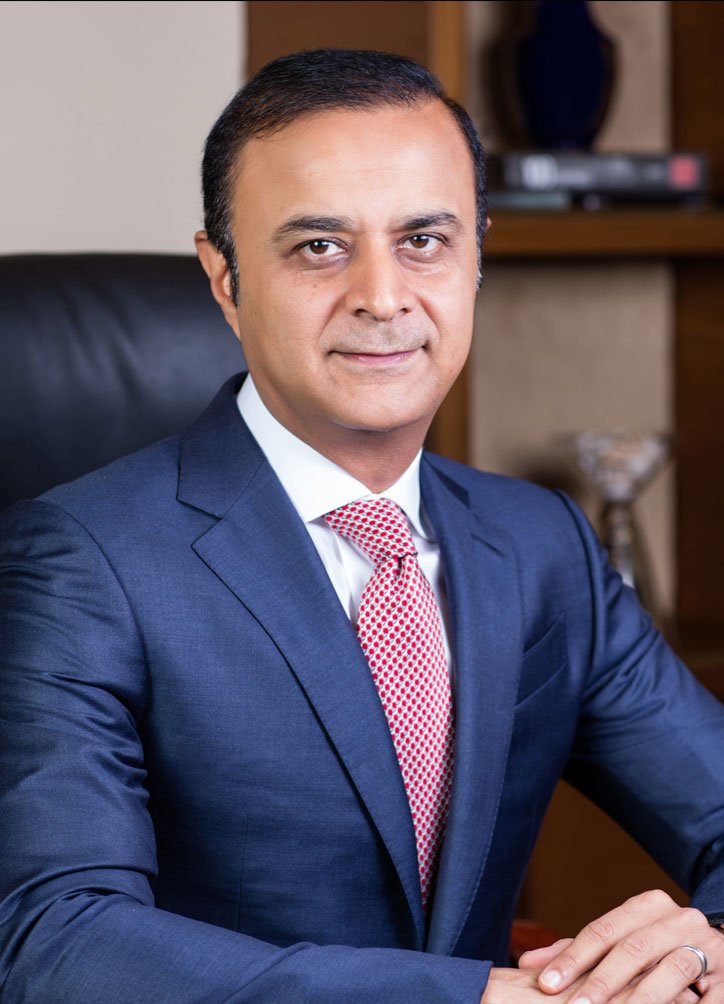
Muhammad Ali Tabba, Chief Executive Officer of Lucky Cement and Chairman of Lucky Group, has urged policymakers to adopt a pragmatic approach while finalising Pakistan’s upcoming auto policy.
Sharing his views on LinkedIn, Tabba warned against using sales tax and Federal Excise Duty (FED) to cross-subsidise different vehicle technologies, including Internal Combustion Engine (ICE), Plug-in Hybrid Electric Vehicles (PHEVs), Electric Vehicles (EVs), and Range-Extended Electric Vehicles (REEVs).
Tabba Warns Against Market Distortions
Muhammad Ali Tabba said cross-subsidisation across vehicle categories could distort market dynamics and undermine competitiveness in the industry.
Drawing a comparison with Pakistan’s gas and power sectors, he said similar interventions in the past had created structural inefficiencies. According to him, policies that artificially support one technology over another can weaken competition and hamper sustainable growth.
He stressed that the auto industry needs fair competition instead of tax policies that favour specific vehicle technologies.
New Auto Policy Nears Completion
Tabba’s remarks come as the government moves to finalise a new five-year Auto Industry Development Policy, which will replace the existing framework expiring on June 30.
The proposed policy includes significant reductions in duties and taxes across various engine categories.
Under the draft framework, the cumulative duty and tax burden on vehicles with engine capacities of 1,800cc and above is expected to decline to 74 percent from levels as high as 156 percent.
Similarly, taxes and duties on vehicles between 1,000cc and 1,500cc are proposed to fall to 52 percent from 76 percent.
The changes aim to improve affordability and encourage growth in the country’s automotive sector.
EV Taxation Under Debate
The proposed framework also addresses the taxation regime for electric vehicles.
During a recent meeting of the National Assembly Standing Committee on Finance, lawmakers expressed concerns over proposed levies on electric vehicles priced above Rs20 million.
Members also highlighted the lack of adequate charging infrastructure, saying the country must first establish a reliable network of charging stations before expecting a major shift toward electric mobility.
Lawmakers stressed that infrastructure development and supportive policies should go hand in hand to make electric vehicles a viable option for consumers.
Industry Stakeholders Await Final Framework
The government is expected to announce the new Auto Industry Development Policy before the end of June.
The framework will shape Pakistan’s automotive sector over the next five years and determine taxation, import duties and incentives for conventional, hybrid and electric vehicles.
As discussions continue, industry stakeholders are calling for policies that encourage competition and support long-term growth without creating distortions in the market.