
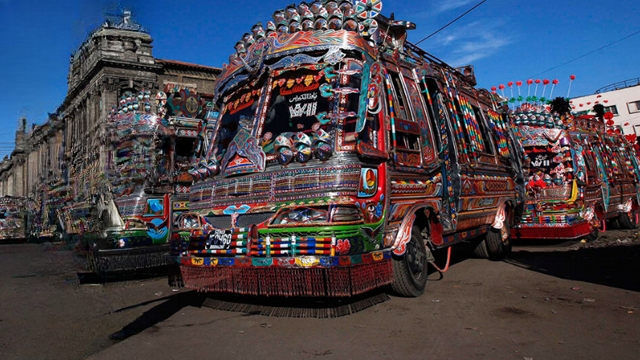
Public transport services in Karachi are likely to face major disruptions after the Karachi Bus Owners Association announced an indefinite strike from June 18. The association said the protest aims to oppose what it described as excessive traffic challans and heavy fines imposed on public transport vehicles.
The decision could affect thousands of commuters who depend on buses for their daily travel across the city.
Transporters Protest Traffic Enforcement Measures
The Karachi Bus Owners Association said transport operators have become increasingly concerned over strict traffic enforcement and rising financial penalties.
According to the association, repeated fines and challans have increased the burden on transporters. Bus owners believe the measures are making it difficult for them to continue operating their vehicles.
They argued that authorities should review the current system and address the concerns of the transport sector.
Bus Owners Asked to Keep Vehicles Off Roads
Farooq Ahmed, President of the Karachi Bus Owners Association, urged all transporters to participate in the protest and keep their buses off the roads from June 18.
He said the strike would continue until the authorities accepted the association’s demands and provided relief regarding traffic penalties.
“The protest will continue until our concerns are addressed,” he said while announcing the decision.
The transport body believes the current system has created unnecessary financial pressure on bus operators.
Thousands of Commuters May Face Difficulties
The planned suspension of bus services is expected to affect thousands of people who rely on public transport for work, education, and other daily activities.
Karachi, Pakistan’s largest city, depends heavily on buses and minibuses to transport millions of passengers every day. Any prolonged disruption in services could create significant inconvenience for commuters.
People may have to rely on ride-hailing services, rickshaws, or private transport, which could increase travel costs.
Traffic Police Tightened Enforcement Measures
The announcement comes weeks after Karachi traffic police introduced new measures aimed at improving traffic discipline.
In May, traffic authorities intensified action against motorists driving on the wrong side of the road. Officials described the growing trend of wrong-way driving as a serious threat to public safety.
DIG Traffic Pir Muhammad Shah said traffic police officers had been equipped with modern devices to issue challans more effectively across the city.
According to him, the new technology would help authorities enforce traffic laws and reduce violations.
Special Traffic Flow Unit to Be Deployed
Traffic authorities have also announced plans to establish a Special Traffic Flow Unit to improve discipline on major roads.
Officials said the unit would focus on key areas where traffic violations frequently occur.
According to the traffic police, around 36 locations across Karachi have been identified as hotspots for wrong-way driving.
Authorities believe stricter enforcement and improved monitoring will help reduce accidents and improve the flow of traffic.
Growing Tension Between Transporters and Authorities
The latest strike announcement highlights the growing differences between transport operators and traffic authorities.
While transporters argue that heavy fines are hurting their businesses, officials insist that strict enforcement is necessary to ensure road safety and better traffic management.
Public transport operators have repeatedly raised concerns over increasing operational costs, including fuel prices, maintenance expenses, and penalties.
Meanwhile, authorities maintain that traffic rules must be enforced to protect commuters and reduce dangerous driving practices.
Government Yet to Respond
No official response from the Sindh government or traffic police had emerged immediately following the strike announcement.
However, with the protest scheduled to begin on June 18, authorities may face pressure to hold talks with transport representatives to prevent a prolonged disruption in bus services.
Any successful negotiations could help avoid inconvenience for thousands of Karachi residents who depend on public transportation every day.
Commuters Brace for Disruptions
As the deadline approaches, commuters are preparing for possible transport shortages and longer travel times.
If the strike continues for an extended period, it could affect office workers, students, and businesses across the city.
The coming days will determine whether discussions between transporters and authorities can resolve the dispute and restore normal bus operations.