
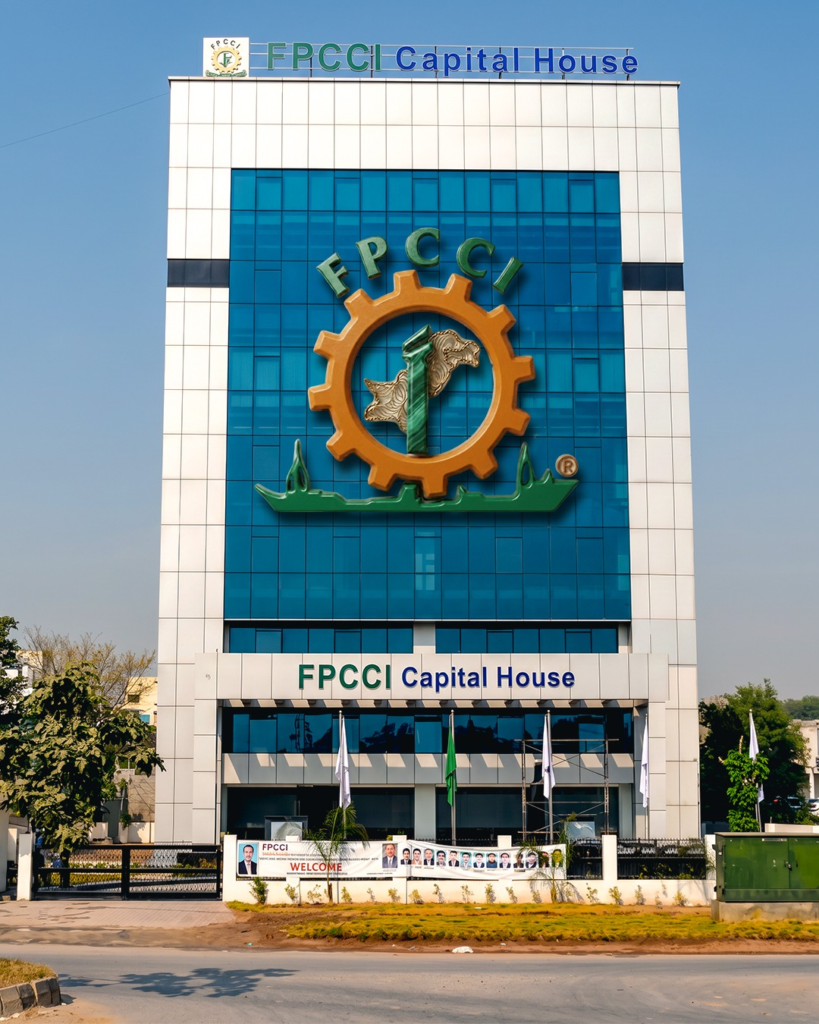
The Budget 2026-27 Reaction from Pakistan’s business community has been mixed, but one message stood out clearly from the Federation of Pakistan Chambers of Commerce and Industry. Senior Vice President Saquib Fayyaz Magoon praised a handful of measures while warning that the federal government’s ambitious revenue expectations may prove detached from economic realities.
Addressing a press conference in Karachi, Magoon described the government’s Rs15.2 trillion tax collection target as unrealistic and cautioned that excessive reliance on taxation without meaningful industrial relief could place additional pressure on businesses already struggling with high operating costs.
Budget 2026-27 Reaction Questions Rs15.2 Trillion Tax Goal
The government’s decision to set a tax collection target of Rs15.2 trillion has become one of the most debated aspects of the federal budget.
According to FPCCI, achieving such a target would be extremely challenging under prevailing economic conditions. Businesses continue to face slowing demand, elevated financing costs and persistent uncertainty. Without broadening the tax base and improving compliance mechanisms, industry representatives fear that authorities may resort to squeezing already documented sectors.
The criticism reflects a broader concern that unrealistic targets often lead to aggressive revenue measures later in the fiscal year, creating unpredictability for investors and taxpayers alike.
Housing and Development Measures Receive Support
Despite reservations, FPCCI welcomed several initiatives announced in the budget.
The allocation of Rs71 billion for the Apna Ghar Housing Scheme and the construction sector was described as a positive step. The housing industry has long been viewed as a catalyst for economic activity because it stimulates demand across multiple sectors including cement, steel, paint, electrical goods and labor-intensive services.
Similarly, increased allocations for development projects and higher education received appreciation from the business community. Investment in infrastructure and education is often seen as critical for long-term economic competitiveness.
Export Financing Gets a Boost but Major Demands Ignored
Under the budget, Rs88 billion has been allocated for export refinance facilities, a move welcomed by exporters.
However, FPCCI argued that the government stopped short of addressing exporters’ core concerns.
Budget 2026-27 Reaction Highlights Exporters’ Frustration
Exporters had strongly advocated for the introduction of a fixed tax regime to simplify compliance and enhance predictability. The government did not accept this proposal.
More importantly, no meaningful announcement was made to reduce industrial production costs. Businesses maintain that Pakistan cannot significantly expand exports if manufacturers continue to bear expensive energy tariffs and rising input costs.
Without competitive production expenses, exporters fear losing ground to regional rivals.
No Energy Relief Raises Serious Concerns
One of the biggest disappointments highlighted during the press conference was the absence of energy price relief.
Industry stakeholders had expected measures aimed at reducing electricity and gas costs. Instead, the budget remained silent on this issue.
Given that energy constitutes a major component of industrial expenditure, the omission has intensified concerns over Pakistan’s ability to boost manufacturing and exports.
For many businesses, lower energy prices were considered essential rather than optional.
Retailers and Remittances Left Out
FPCCI also criticized the lack of incentives for overseas Pakistanis sending remittances.
Despite remittances serving as a vital source of foreign exchange, the budget introduced no fresh measures to encourage inflows through formal channels.
At the same time, concerns were raised over increased withholding tax rates affecting retailers.
According to the chamber, retailers are already difficult to bring into the tax net. Raising withholding taxes without addressing structural issues may increase compliance burdens without achieving the desired documentation objectives.
Debit Card Tax Withdrawal Encourages Documentation
Among the few widely appreciated decisions was the removal of the five percent deduction previously imposed on debit card transactions.
Business leaders believe this step will encourage digital payments and strengthen efforts to promote a documented economy.
Greater reliance on formal financial channels could improve transparency and reduce cash-based transactions over time.
Final Verdict on Budget 2026-27 Reaction
Saquib Fayyaz Magoon concluded that FPCCI would conduct a detailed review of the Finance Bill before presenting its comprehensive recommendations.
For now, the business community’s verdict remains cautious.
While the budget contains encouraging allocations for housing, development and export financing, the absence of energy relief, the rejection of exporters’ key demands and the ambitious tax target have left many questioning whether the Budget 2026-27 can truly deliver the economic momentum Pakistan urgently needs.