
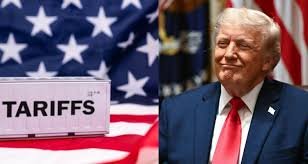
The United States Trade Representative (USTR) has proposed new tariffs on imports from 60 economies, including Pakistan and India, over what Washington describes as inadequate action against goods produced through forced labour.
The proposed duties range from 10% to 12.5% and are part of a broader effort by the Trump administration to reshape its trade policy following recent legal setbacks.
According to a government filing, the proposed measures will undergo a public consultation process before any final decision is made.
Pakistan Among Countries Facing Proposed Duties
The USTR divided the targeted economies into two categories based on its findings.
According to the agency, 54 economies failed to impose and effectively enforce bans on imports linked to forced labour. This group includes major trading partners such as China, Vietnam, Taiwan, and the United Kingdom.
Another six economies, including Pakistan, Canada, Mexico, Indonesia, Ecuador, and the European Union, were found to have imposed such prohibitions but allegedly failed to enforce them effectively.
The inclusion of Pakistan on the list could raise concerns among exporters if the proposed duties move forward.
Washington Cites Concerns Over Forced Labour
The latest action follows investigations launched by the United States into several trading partners earlier this year.
The probes examined whether countries had taken meaningful steps to prevent the import of products made with forced labour and whether such imports affected American businesses and workers.
US Trade Representative Jamieson Greer said the findings revealed significant shortcomings among key trading partners.
“The failure of our most important trading partners to address the importation of goods made with forced labour is unacceptable,” Greer said in an official statement.
He argued that the issue creates unfair competition for American workers and businesses.
According to US officials, countries that do not adequately restrict forced labour products gain an economic advantage by allowing lower-cost goods to enter global markets.
Tariffs Part of Broader Trade Strategy
The proposed duties are part of a wider trade agenda being pursued by the Trump administration.
Earlier this year, the US Supreme Court struck down a significant portion of President Donald Trump’s tariff framework, creating legal challenges for several trade measures.
In response, US officials launched new investigations under different legal authorities to support the introduction of more durable trade restrictions.
Apart from the forced labour investigations, the USTR has also opened inquiries into excess industrial capacity and other trade-related concerns.
Analysts view the latest move as an attempt by Washington to rebuild its tariff strategy using findings from targeted investigations.
Several Products Could Be Exempt
Despite the broad scope of the proposed tariffs, the USTR has outlined several exemptions.
Products such as beef, coffee, and certain fruits and nuts would not be subject to the additional duties.
Imports from Canada and Mexico that comply with the North American free trade agreement would also remain exempt.
In addition, some textile and apparel products are expected to avoid the proposed tariffs.
These exemptions suggest that the United States is attempting to balance trade enforcement with the need to avoid major disruptions to supply chains and consumer markets.
Potential Impact on Pakistan
Pakistan’s exports to the United States include textiles, apparel, leather products, sporting goods, surgical instruments, and other manufactured items.
Although the proposed duties have not yet been finalized, exporters will closely monitor developments in Washington.
Any increase in tariffs could affect the competitiveness of Pakistani products in one of the country’s most important export destinations.
Trade experts say the final impact will depend on the scope of the measures, the products covered, and any exemptions that may apply to Pakistani exports.
At this stage, the proposal remains under review and no immediate changes have been announced.
Public Consultation Process Begins
The USTR has invited stakeholders, businesses, industry groups, and members of the public to submit written comments on the proposal.
The deadline for comments is July 6.
Following the consultation period, the agency will conduct hearings before making a final determination.
The review process could lead to changes in the proposed tariff rates, exemptions, or implementation timeline.
Global Trade Partners Watch Closely
The proposal has drawn attention from governments and businesses around the world because it affects a large number of economies.
If approved, the measures could reshape trade relationships between the United States and several key partners.
For Pakistan, the development highlights the growing importance of labour standards and trade compliance in international markets.
As the consultation process moves forward, exporters and policymakers will be watching closely to see whether the proposed US forced labour tariffs become a permanent part of Washington’s evolving trade policy.