
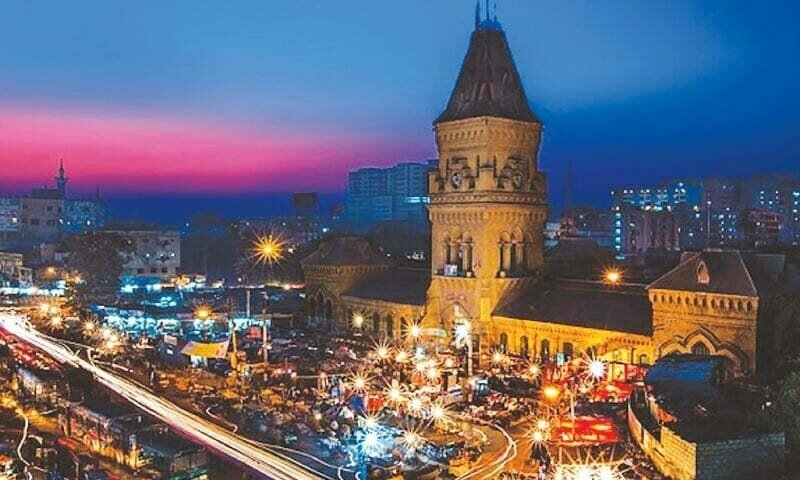
Karachi is often described as Pakistan’s economic engine, a city that never stops moving. While discussions about Karachi usually focus on traffic congestion, water shortages, crime, pollution, and infrastructure challenges, another transformation is quietly taking place. Increasingly, thousands of Karachi residents are sleeping at dawn and waking up around noon.
From freelancers serving international clients to university students studying late into the night, a growing segment of the city’s population now operates on a schedule that differs dramatically from traditional working hours. The shift raises an important question: Is Karachi gradually becoming a nocturnal city?
The Rise of the Night Shift Economy
For many Karachiites, nighttime is no longer a period of rest. Instead, it has become the most productive part of the day.
The growth of remote work and freelancing has connected Karachi’s workforce to clients across the United States, Europe, Canada, and Australia. Since these markets operate in different time zones, many professionals adjust their schedules accordingly.
A freelance graphic designer based in Gulshan-e-Iqbal may begin work at 8 p.m. and continue until 4 a.m. to attend meetings with clients in New York or London. Software developers, digital marketers, virtual assistants, and content creators often follow similar routines.
The expanding digital economy has effectively created a workforce that earns during Pakistan’s nighttime hours.
Call Centers Keep Thousands Awake
Another major factor behind Karachi’s changing sleep patterns is the call center industry. Many customer support companies operate throughout the night to serve overseas customers. Employees frequently begin shifts after sunset and return home when most people are preparing for work.
For these workers, sleeping after sunrise is not a lifestyle choice but a professional necessity.
As the outsourcing industry continues to expand, more young professionals are entering occupations that require them to remain awake during conventional sleeping hours.
Students Turn Night Into Study Time
University students are also contributing to the city’s changing routine.
Academic pressure, examinations, assignments, and online learning resources have encouraged many students to study late into the night. Some believe they can concentrate better when traffic noise decreases and family activities slow down.
Many students report sleeping between 3 a.m. and 6 a.m., especially during examination periods.
The widespread availability of high-speed internet has further enabled overnight study sessions, allowing students to access lectures, research materials, and educational content at any hour.
Content Creators and Gamers Embrace Nightlife
The creator economy has also played a role in reshaping daily schedules.
YouTubers, streamers, podcasters, video editors, and social media influencers often spend late-night hours creating and uploading content. Some schedule livestreams to reach international audiences, while others edit videos during quieter hours when interruptions are minimal.
Similarly, online gaming communities remain active well into the early morning. Multiplayer gaming sessions frequently continue until sunrise, particularly among younger users.
The combination of entertainment, social interaction, and digital competition has contributed to delayed sleeping habits among many urban residents.
Karachi’s Late-Night Markets
The city’s commercial culture further supports nocturnal lifestyles.
In many parts of Karachi, business activity continues long after midnight. Areas such as Burns Road, Boat Basin, Bahadurabad, and several commercial districts remain crowded until the early hours of the morning.
Restaurants, tea cafés, roadside eateries, and food stalls attract customers throughout the night.
For delivery riders, restaurant workers, and transportation providers, these late-night businesses create employment opportunities that extend far beyond traditional working hours.
As a result, entire segments of the urban workforce remain active while much of the country sleeps.
Heat and Electricity Challenges Influence Sleep
Climate conditions may also be affecting sleeping patterns. Karachi’s summers have become increasingly intense. During periods of extreme heat, many residents find it difficult to sleep comfortably before midnight.
Some individuals prefer staying awake during the hottest hours and sleeping later in the morning when temperatures are relatively manageable.
Electricity disruptions and inconsistent power supply in certain neighborhoods can further disrupt normal sleep cycles. When residents experience uncomfortable indoor conditions during the night, they often delay sleep until cooler hours.
The Health Cost of a Nocturnal Lifestyle
While nighttime productivity offers economic advantages, health experts warn that irregular sleep schedules can carry risks. Research around the world has linked chronic sleep disruption to fatigue, reduced concentration, stress, anxiety, obesity, and cardiovascular problems.
Individuals who routinely sleep during daylight hours may also face difficulties maintaining family relationships and social connections because their schedules differ from those of relatives and friends.
Many workers report feeling disconnected from daytime activities, public services, and family gatherings.
The phenomenon remains largely undocumented in Pakistan.
A New Urban Reality
Karachi has always adapted to economic and social change. Today, globalization, digital employment, climate pressures, and evolving lifestyles appear to be reshaping something far more personal: the city’s biological clock.
While millions still follow traditional schedules, a growing number of residents now begin their most productive hours after sunset and end their day at sunrise.
The question is no longer whether some Karachiites are living this way. The real question is how many.
As remote work expands, digital industries grow, and the city’s nighttime economy continues to flourish, Karachi may be moving toward a future where dawn signals bedtime for thousands and noon marks the start of their day. Such a transformation could make Karachi one of South Asia’s most active nocturnal urban centers, redefining what it means to live and work in Pakistan’s largest city.