
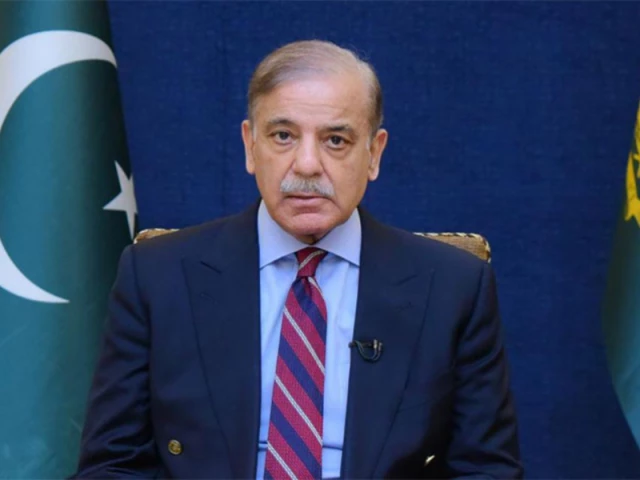
Pakistan Tax Refunds have emerged as a central issue in the government’s latest efforts to strengthen business confidence and accelerate economic growth. Prime Minister Shehbaz Sharif has assured Pakistan’s business leaders that all outstanding tax refund claims will be settled by June 15, signaling a major move aimed at easing liquidity pressures on exporters and industrialists.
The announcement came during a high-level meeting between the prime minister and representatives of chambers of commerce and industry from across the country. The discussions focused on proposals for the upcoming federal budget, export promotion, industrial development, and measures to improve the overall business climate.
Pakistan Tax Refunds Become a Key Test of Government Credibility
For years, delayed tax refunds have been a major complaint of Pakistan’s business sector. Exporters and manufacturers have repeatedly argued that blocked refunds reduce cash flow, increase operational costs, and discourage investment.
Recognizing these concerns, Prime Minister Shehbaz Sharif directed the Federal Board of Revenue to clear all pending refund cases by June 15. The directive is being viewed as a crucial step toward rebuilding trust between the government and the private sector.
Business leaders believe timely refunds could inject billions of rupees back into the economy and help industries expand production capacity at a time when Pakistan is seeking stronger economic growth.
Government Signals New Phase of Economic Expansion
The prime minister stated that the government has successfully stabilized the economy and is now shifting its attention toward growth-oriented policies.
According to officials, the upcoming federal budget is expected to include additional incentives designed to support industries, attract investment, and boost exports.
Sharif emphasized that industrialization remains essential for Pakistan’s long-term economic prosperity. He stressed that increasing production and strengthening manufacturing capabilities are critical for creating jobs and improving export performance.
Export Growth Remains the Government’s Top Priority
Exports continue to be a cornerstone of Pakistan’s economic strategy. During the meeting, the prime minister highlighted the need for stronger cooperation between the public and private sectors to expand the country’s export base.
He also welcomed commercial banks’ decision to continue financing under the Export Finance Scheme at a rate of 4.5 percent until June 2027 despite recent changes in monetary policy.
The move is expected to provide exporters with affordable financing and help maintain Pakistan’s competitiveness in international markets.
Karachi Strengthened as Pakistan’s Business Capital
In another significant decision, the prime minister ordered the relocation of the headquarters of Pakistan Revenue Automation Limited to Karachi.
The decision acknowledges Karachi’s status as Pakistan’s commercial and financial hub. Business leaders have long argued that major economic institutions should be closer to the country’s largest business community to improve coordination and operational efficiency.
SMEs and Electric Vehicle Manufacturing Gain Government Attention
The government also reaffirmed its commitment to supporting small and medium-sized enterprises, commonly known as SMEs.
Sharif said SME reforms and incentives will remain a priority because the sector plays a critical role in employment generation and economic diversification.
At the same time, he encouraged local investors to pursue partnerships and joint ventures focused on electric vehicle manufacturing. The push reflects Pakistan’s growing interest in developing a domestic EV industry while reducing reliance on imported fuel and technology.
Business Community Backs Reform Agenda
Representatives from chambers of commerce expressed confidence in the government’s economic direction and pledged continued cooperation in promoting investment and job creation.
Business leaders also praised several recent initiatives, including reforms in the Export Development Fund Board, the privatization of Pakistan International Airlines, the digital transformation of the FBR, and the rollout of electronic invoicing systems.
They further committed to supporting efforts aimed at documenting the economy through digitization and regulatory improvements.
A Defining Moment for Pakistan’s Economic Future
The commitment to clear Pakistan Tax Refunds by June 15 may become one of the most closely watched economic promises of the year. Combined with export incentives, SME reforms, industrial support measures, and digital transformation initiatives, the government’s latest announcements indicate a determined effort to shift from economic stabilization toward sustainable growth.
As businesses await the federal budget, the success of these commitments could play a decisive role in shaping investor confidence, boosting industrial activity, and accelerating Pakistan’s economic recovery in the months ahead.