
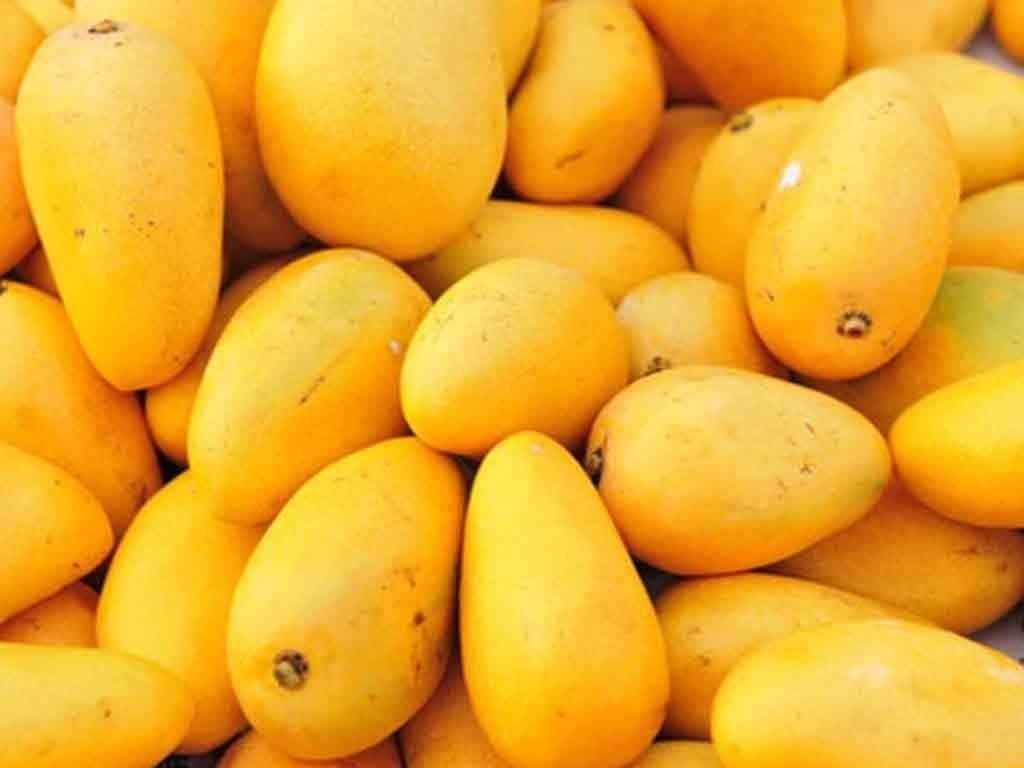
Pakistan Mango Exports are entering one of the most challenging seasons in recent years as geopolitical tensions in the Middle East, record-high freight charges, climate-related disruptions, and falling fruit production combine to threaten one of the country’s most valuable agricultural exports.
The export season officially begins on June 1, but industry leaders are already warning that the sector could suffer substantial losses. Exporters have revised their export target downward by nearly 30 percent, reflecting growing concerns over market access, transportation costs, and declining crop yields.
Pakistan Mango Exports Target Cut Amid Mounting Pressures
The Pakistan Fruit and Vegetable Exporters, Importers and Merchants Association (PFVA) has reduced its export target from 110,000 tons last year to just 80,000 tons this season.
According to PFVA Patron-in-Chief Waheed Ahmed, exporters are facing an unprecedented combination of challenges that threaten the industry’s profitability and international competitiveness.
The reduction is expected to have a direct impact on foreign exchange earnings. Pakistan earned approximately $110 million from mango exports last season. This year, export revenues are expected to fall sharply to between $75 million and $80 million.
For an industry that plays a critical role in Pakistan’s agricultural exports, the decline raises serious concerns about future growth prospects.
Middle East Crisis Sends Freight Costs Soaring
The escalating crisis in the Middle East has emerged as the biggest threat to Pakistan Mango Exports this year.
The Gulf region accounts for nearly 35 percent of Pakistan’s mango exports, making it the country’s largest overseas market. However, growing regional instability has severely disrupted shipping routes and increased transportation expenses.
Sea freight rates have surged dramatically. Exporters who paid between $1,200 and $1,400 per container last season are now facing charges as high as $6,000 to $7,000 per container.
Air freight costs have also skyrocketed. Shipping mangoes by air previously cost between 70 and 90 cents per kilogram. Those rates have now climbed to almost $2 per kilogram, making exports significantly less profitable.
These rising logistics costs are placing enormous pressure on exporters already struggling with higher production and operational expenses.
Strong Rupee and Rising Fuel Costs Create Double Burden
The challenges facing Pakistan Mango Exports extend beyond international shipping disruptions.
Rising domestic fuel prices have increased transportation costs from orchards to packing houses and ports. At the same time, a relatively stronger Pakistani rupee has reduced export returns when converted into local currency.
This combination has squeezed profit margins and left exporters with fewer options to absorb growing costs.
Industry experts warn that without government intervention, many exporters could struggle to remain competitive in international markets.
Climate Change Shrinks Mango Production
While trade disruptions dominate headlines, deeper structural problems continue to threaten the future of Pakistan’s mango industry.
Climate change, unpredictable weather patterns, and increasing vulnerability to diseases have steadily reduced mango production over the past several years.
Industry estimates suggest that this year’s mango crop could be around 20 percent below Pakistan’s average annual production of 1.9 million tons.
Lower yields not only affect export volumes but also raise concerns about the long-term sustainability of mango farming across major producing regions.
Can Pakistan Mango Exports Recover?
Despite the difficult outlook, exporters remain determined to protect Pakistan’s position in global markets. Industry leaders believe the country still possesses significant untapped export potential if quality standards improve and growers receive better technical support.
PFVA has called on the government to increase investment in agricultural research, modern orchard management, disease control programs, and export facilitation measures.
Officials have also been urged to address shipping delays, improve port operations, and strengthen diplomatic engagement with Gulf buyers to minimize disruptions caused by the regional crisis.
Without immediate action, industry stakeholders warn that even the revised export target of 80,000 tons may prove difficult to achieve.
A Defining Season for Pakistan’s Mango Industry
This year’s export season could become a defining moment for Pakistan Mango Exports. The industry is facing a perfect storm of geopolitical uncertainty, soaring logistics costs, climate-related production losses, and shrinking profit margins.
How policymakers, exporters, and growers respond in the coming months may determine whether Pakistan can protect its global market share or risk losing ground to competing mango-producing countries in an increasingly competitive international marketplace.