
The Sindh water shortage has reached a critical level. The province is now facing a 22% deficit in its water supply, raising alarms over food security and public health. PPP leader and senior Sindh government official Sharjeel Memon raised the alarm on Sunday, blaming the Indus River System Authority (IRSA) for disregarding Sindh’s legitimate rights.
Crisis Deepens at Key Barrages
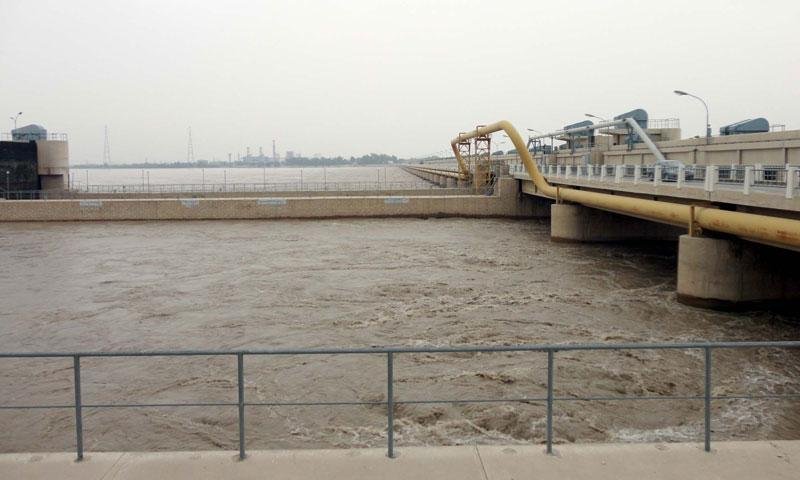
The Sindh water shortage is most severe at two critical points. Guddu Barrage is reeling under a staggering 42% water deficit. Kotri Barrage is recording a 29% shortfall. Both barrages are lifelines for millions of farmers and residents across the province. The scale of the crisis has left agricultural fields dry and urban water supply systems under severe strain.
Karachi, Pakistan’s economic engine, is not spared. The megacity draws heavily on Sindh’s river water system. Experts warn that a prolonged shortage could trigger a severe urban water emergency in the country’s largest city.
IRSA Accused of Violating 1991 Water Accord
Memon directly accused IRSA of acting against Sindh’s interests. He said IRSA is using the pretext of “shortage equalization” to slash Sindh’s allocated share. He called this move a direct violation of the 1991 Water Apportionment Accord — a landmark agreement that governs how river water is distributed among all four provinces.
“IRSA’s continued disregard for Sindh’s legitimate concerns and the unjust reduction of Sindh’s share under the guise of ‘shortage equalization’ is unacceptable,” Memon said. “No province can be given preference at the expense of another.”
The 1991 Accord was designed to ensure fair water distribution. Critics argue that IRSA’s latest actions undermine the spirit of that agreement and set a dangerous precedent for inter-provincial water disputes.
Agriculture and Livelihoods at Risk
The Sindh water shortage directly threatens the province’s farming sector. Sindh is one of Pakistan’s most fertile agricultural zones, producing rice, sugarcane, cotton, and wheat. Farmers in districts dependent on Guddu and Kotri barrages report that their crops are already wilting. Irrigation canals are running well below capacity. If the shortage persists through the Kharif sowing season, losses could run into billions of rupees.
Rural communities that depend entirely on canal water for drinking and domestic use are also suffering. Local representatives report that some villages have gone days without adequate water supply.
PPP Vows to Fight for Sindh’s Rights
Memon made clear that the PPP and the Sindh government will not stay silent. He called on the Federal Government to take immediate notice and intervene. He demanded full restoration of Sindh’s rightful water share in accordance with the law and the 1991 Accord.
“The PPP and Sindh Government will continue to defend Sindh’s water rights at every constitutional, legal, and democratic forum,” Memon stated. The party signaled it is prepared to escalate the matter through formal legal channels if the federal government fails to act swiftly.
Federal Government Under Pressure to Act
Water experts and opposition voices are now calling on Islamabad to convene an emergency meeting of the Council of Common Interests (CCI) to address the Sindh water shortage. The CCI is the constitutional body mandated to resolve inter-provincial resource disputes. Failure to act could deepen tensions between Sindh and the federation at a politically sensitive time. Civil society groups have warned that water inequity, if left unaddressed, risks fuelling wider unrest across rural Sindh.